

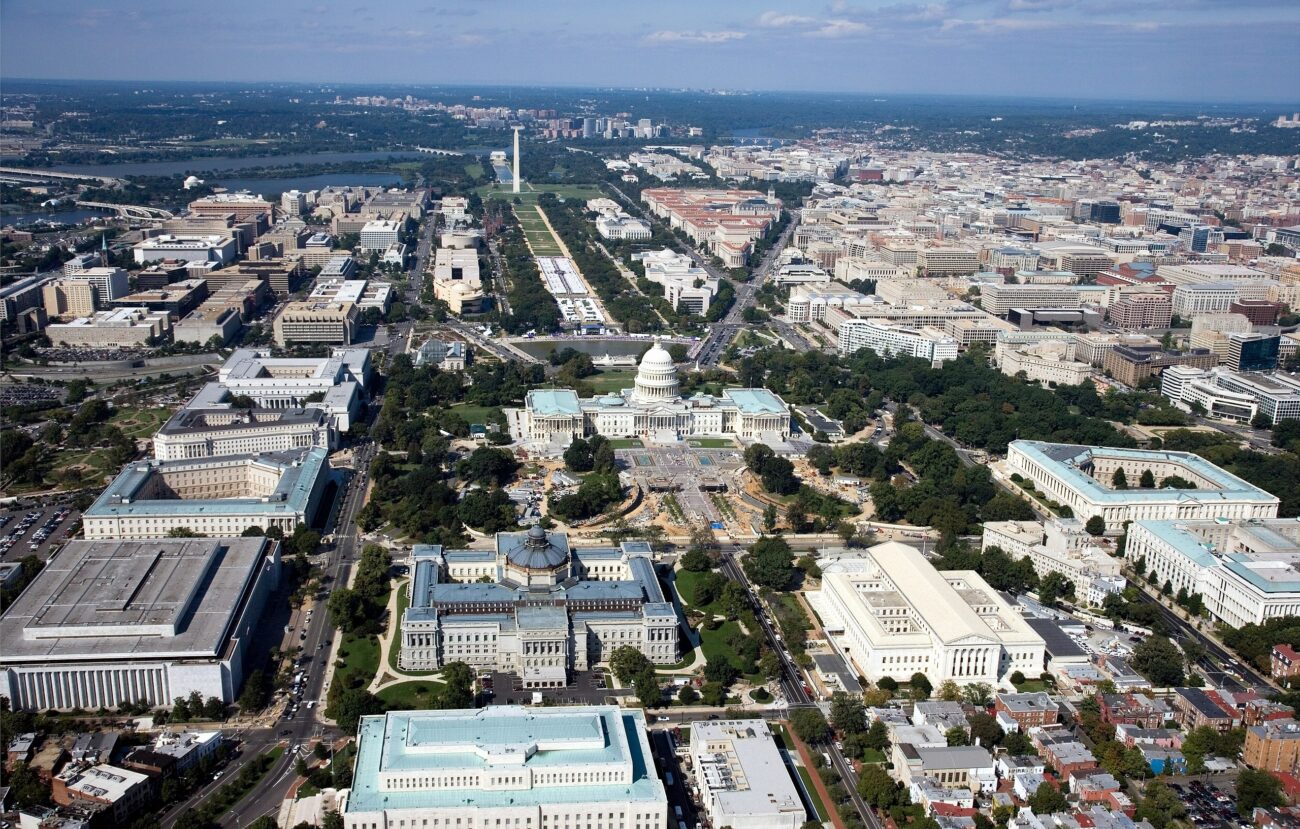
While Silicon Valley biohackers chase longevity through cold plunges and nootropics, the real secret to extreme human lifespan might be hiding in plain sight among D.C.’s bustling corridors of power. A February 2025 study by BestPlaces, in partnership with medical technology giant Medtronic, ranked Washington D.C.’s metropolitan area as the top U.S. city for longevity—beating expected winners like San Francisco and Seattle by focusing on factors that actually matter for living to 150.
The ranking analyzed 100 major U.S. metropolitan areas across metrics including social capital, wellness behaviors, healthcare access, education, and environmental quality. D.C. achieved its top position by placing fourth nationally in both “social capital”—measuring family unity, volunteering, religious participation, and civic engagement—and “wellness” categories.
Beyond Green Juice and Yoga Studios
D.C.’s longevity advantage comes from social bonds and civic life, not wellness trends.
This combination proves more powerful than pure fitness metrics. San Francisco, despite leading in physical activity and low obesity rates, scored lower on social capital, possibly reflecting its demanding work culture that prioritizes productivity over community bonds. D.C.’s advantage lies in residents who actually talk to their neighbors and show up to town halls.
The study’s methodology examined behavioral patterns among current “superagers”—people living past 100—revealing that community engagement and social structures matter as much as diet and exercise. D.C.’s dense hospital network, high educational attainment, and robust civic participation create an environment where healthy behaviors become social norms rather than individual choices.
The Demographics of Extreme Longevity
Technology advances and gender patterns point to D.C. as the ideal launching pad for 150-year lives.
According to Gerontology Research Group data, only 7% of U.S. supercentenarians are men, meaning the first person to reach 150 will likely be a woman living in D.C.’s supportive ecosystem today. The city’s combination of advanced medical technology—including AI-powered diagnostics and personalized medicine—with strong social infrastructure creates conditions that could push human lifespan beyond current limits.
The top five longevity cities—D.C., San Francisco Bay Area, Bridgeport, Boston, and Seattle—each excel in different areas, but D.C. uniquely balances all factors without sacrificing community for achievement. While other cities optimize for individual wellness, D.C. builds collective health through civic engagement that extends healthy lifespan through documented social health benefits.