

Commercial yogurt relies on just two bacterial strains, but ancient fermentation wisdom knew better. At Copenhagen’s two-Michelin-starred Alchemist, diners experience yogurt made using live red wood ants—a centuries-old Balkan technique that Danish researchers recently validated through rigorous scientific analysis.
Ancient Fermentation Meets Modern Validation
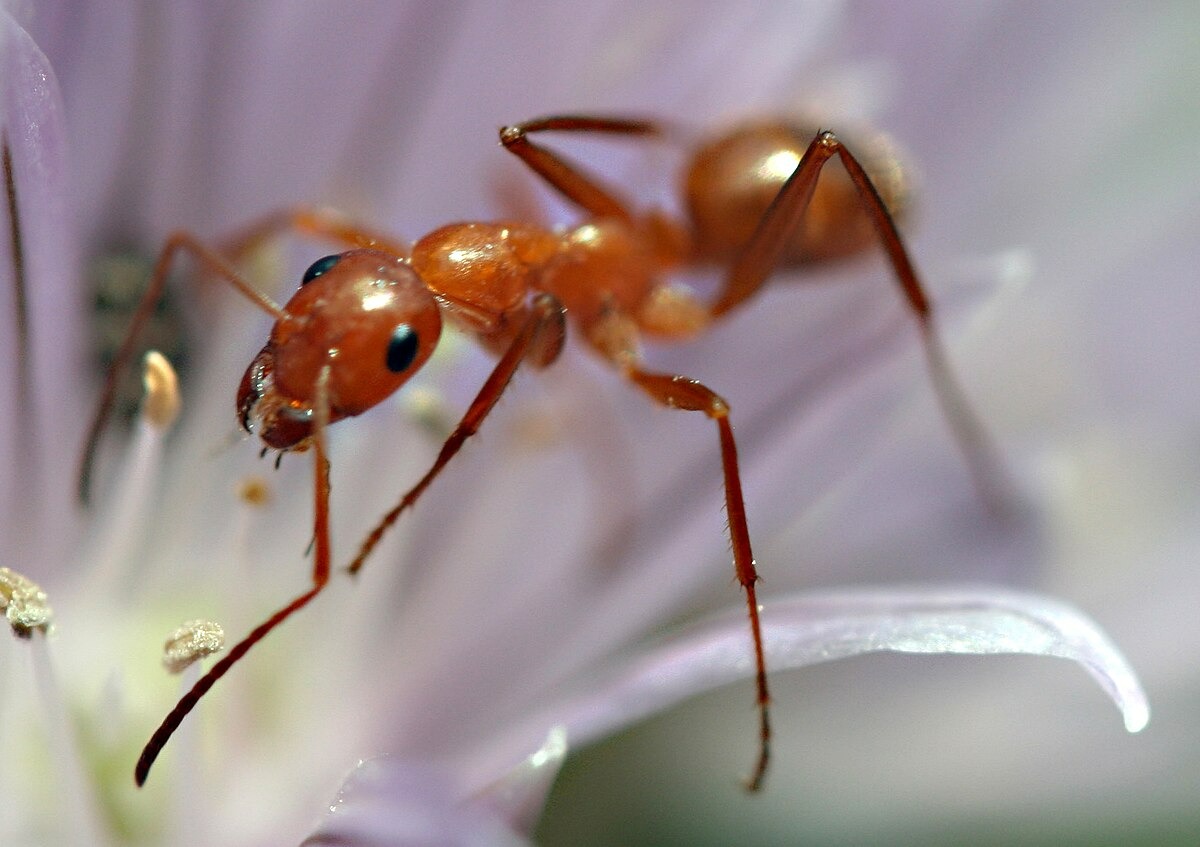
Villages across the Balkans and Turkey once dropped live ants into warm milk jars, burying them in ant mounds overnight for natural fermentation.
The process sounds medieval, but it operates on solid microbiology. Red wood ants contribute lactic and acetic acid bacteria essential for fermentation, while their formic acid venom naturally acidifies milk.
Enzymes from the ants break down milk proteins, creating yogurt with far greater microbial diversity than commercial versions. What is the dominant microbe researchers identified? Fructilactobacillus sanfranciscensis—the same bacteria driving sourdough starters.
Unlike mass-produced yogurt limited to Lactobacillus bulgaricus and Streptococcus thermophilus, artisan-fermented varieties develop complex flavor profiles. Popular Science reports describe the taste as “slightly tangy, herbaceous,” with notes resembling those of grass-fed dairy. Only live ants work—frozen or dehydrated versions risk contamination without delivering the necessary microbial community.
From Village Wisdom to Fine Dining Innovation
Copenhagen’s Alchemist transforms this ancestral technique into avant-garde cuisine, serving ant-shaped yogurt ice cream sandwiches and clarified cocktails.
Food scientists Dr. Leonie Jahn and Dr. Veronica Sinotte collaborated with Alchemist chefs to revive traditions preserved in Bulgarian oral histories. Their rigorous safety protocols—including laboratory-grade sieving—ensure the yogurt meets modern food standards before reaching diners.
The restaurant’s menu features tangy mascarpone-like cheeses and milk wash cocktails, connecting guests to biocultural heritage through taste. This represents genuine cultural preservation with measurable benefits: broader microbial diversity creates superior flavor and texture difficult to replicate industrially.
The researchers note that revitalizing such practices demonstrates how indigenous food knowledge contains practical scientific value, offering pathways to more sustainable and creative cuisine.
Don’t attempt any fermentation at home—parasite and contamination risks require professional oversight. This revival demonstrates that forgotten village wisdom often contains valuable insights, one tangy spoonful at a time.