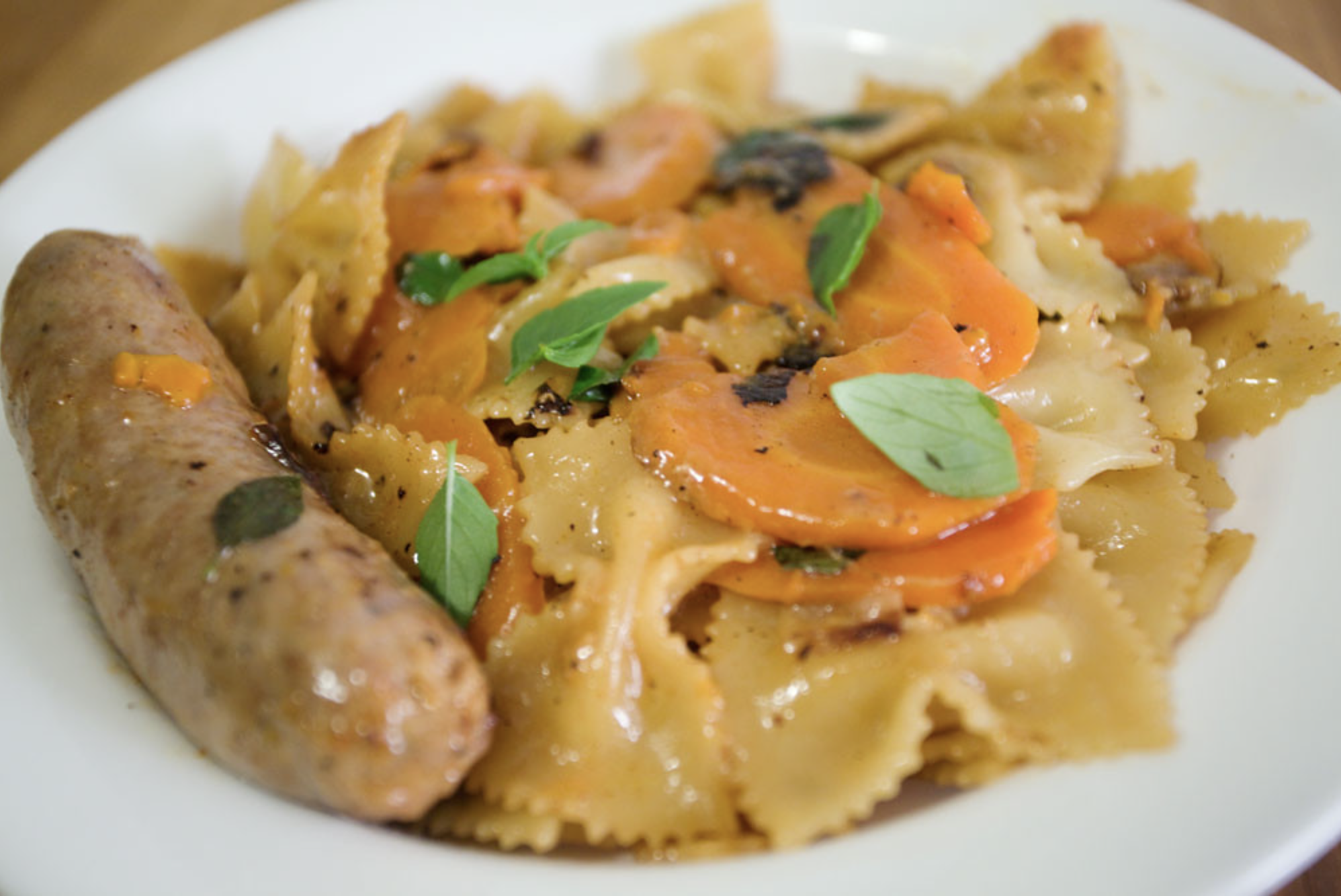


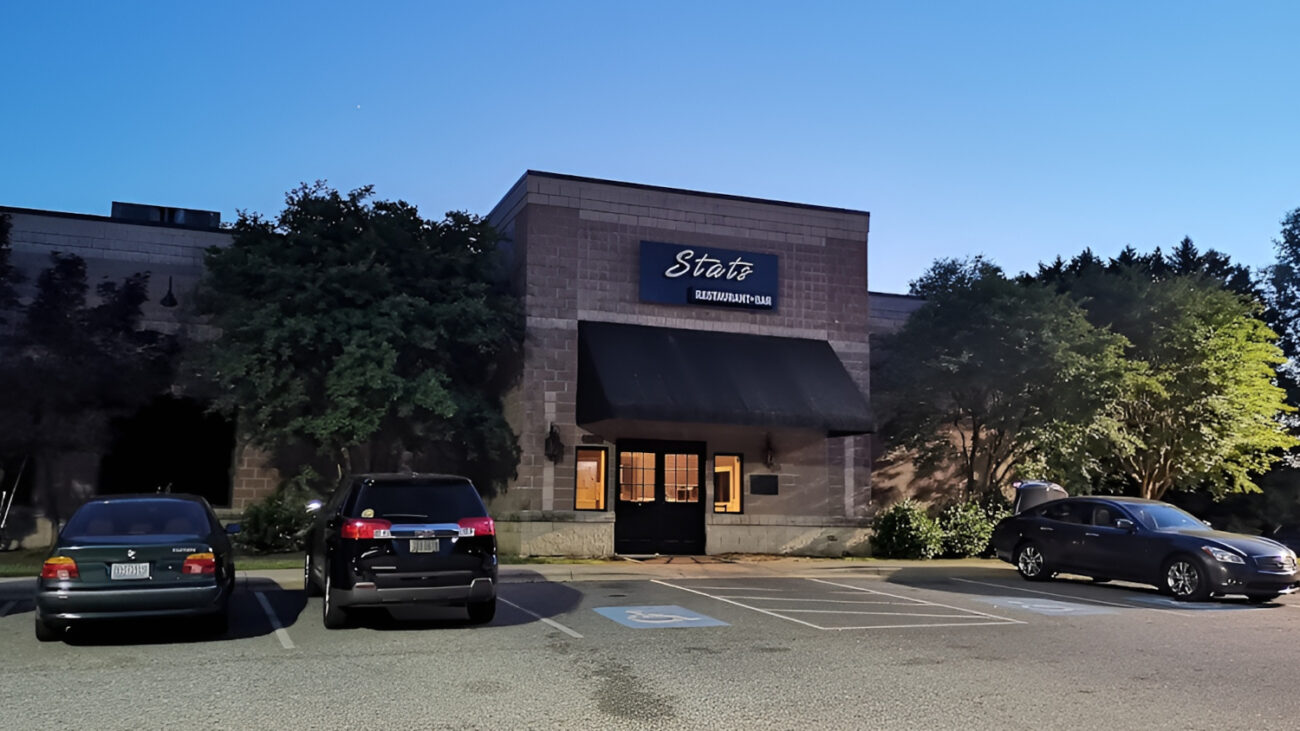
A customer known online as Millionaire Mace photographed her bill at STATS Restaurant & Bar in Charlotte and posted it to Threads after her receipt showed a line item labeled “to-go box: $6.” The receipt also listed a $28 Cajun Alfredo charge, a service fee, automatic gratuity, and tax. Mace had spent the evening dining in with a group — drinks ordered, hookah purchased. The charge looked exactly like a packaging fee.
STATS says it wasn’t.
That distinction is the entire story.
A Price Adjustment That Never Introduced Itself
STATS says its system repriced a discounted pasta dish when it left the building — but the receipt never said that.
STATS’s Wednesday pasta promotion applies to dine-in orders only. According to the restaurant, when a promotional item is taken out, the meal is adjusted to its regular menu rate. The $6 represented the difference between the discounted dine-in price and the standard Cajun Alfredo price — not a container charge. STATS acknowledged the receipt label communicated none of this and said it would revise its systems so future adjustments appear in plain language.
Whether a staff member explained the policy before Mace requested the box remains unverified in public reporting.
A few facts, plainly stated:
- Mace posted her receipt on Threads; it listed a “to-go box” charge alongside a service fee, gratuity, and tax
- STATS’s Wednesday pasta deal is dine-in only; the price reverts to the regular rate when a promotional item is taken out
- STATS confirmed the $6 was a system pricing adjustment, not a packaging fee
- The restaurant acknowledged the receipt language was unclear and said it would update its systems
“This Is Not a Charge for a To-Go Container”
Mace’s objection was never really about the pasta price — it was about what the charge represented.
Mace’s issue wasn’t the cost of the dish. She had sat at a table, ordered drinks and hookah, and simply wanted to take home food she hadn’t finished. In her framing, that’s a fundamentally different transaction from ordering takeout. STATS’s statement was unambiguous: “This is not a charge for a to-go container.”
Both things can be true at once: the charge wasn’t for a box, and the receipt absolutely said it was.
That gap did real damage online. The fairness question underneath it — whether leftover pasta from a dine-in meal becomes a takeout order the moment a customer asks for a box — doesn’t have a clean answer. That tension is exactly why the post spread.
Diners Are Already Primed for Outrage
A receipt label that says one thing while meaning another lands differently when diners are already on edge about layered charges.
Restaurant customers have grown accustomed to scanning receipts for surprises: service fees, administrative surcharges, automatic gratuity. When a line item reads “to-go box,” few diners stop to cross-reference Wednesday promotion terms. Mace reportedly noted she was a regular at STATS, which made the charge feel especially unreasonable given her full dine-in spend that evening.
The incident reads less like a pricing scandal and more like an operational transparency failure. STATS said it would address the clarity issue — and that counts for something.
Ask Before You Box
One question asked before ordering a discounted special can prevent exactly this kind of receipt shock.
For diners, the practical move is straightforward: ask a server whether a promotion applies if leftovers go home with you. Thirty seconds of conversation can prevent a confusing receipt and a viral moment. For restaurants, the lesson is equally clear — if repricing logic exists only inside a POS terminal and nowhere a customer can see it, it will look like a hidden fee every single time. STATS at least acknowledged the problem and committed to fixing it.