

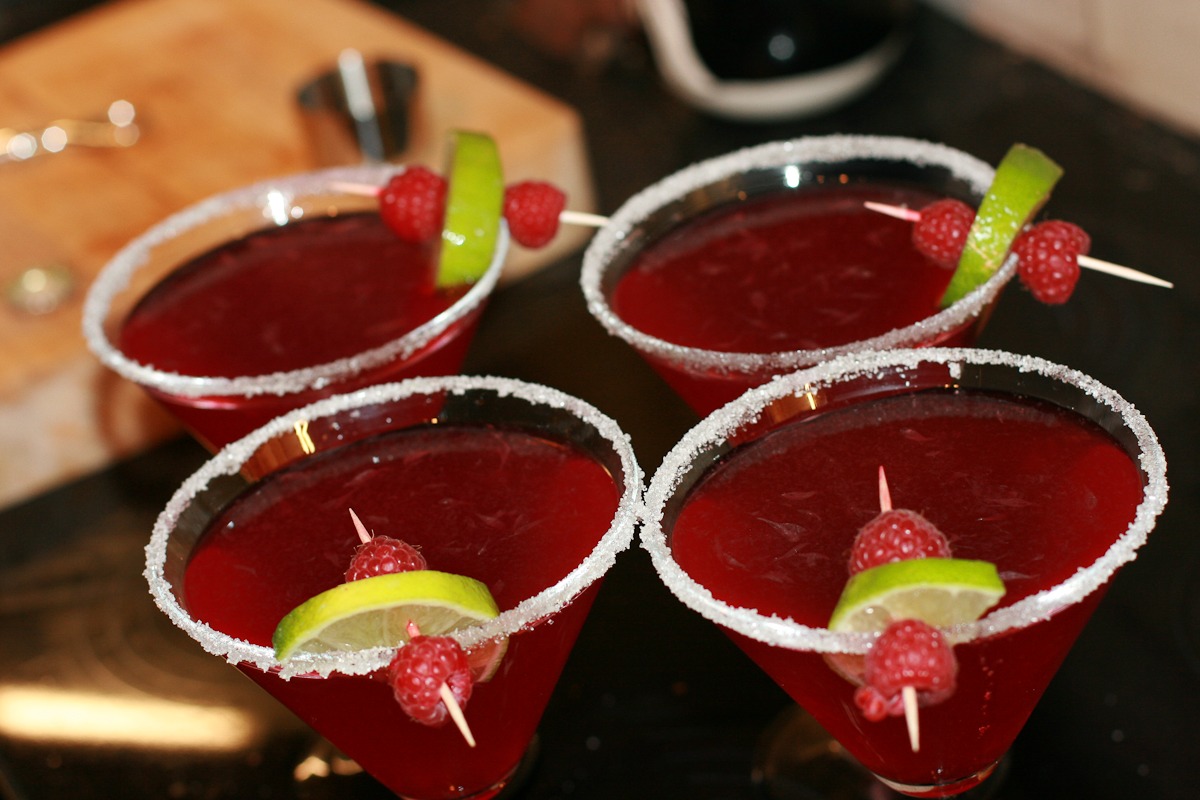
That vibrant pink drink with the sugared rim isn’t just Instagram bait—it’s a calculated revenue machine designed to separate you from your money. Bars craft cocktails using high sugar content and eye-catching presentation specifically to mask alcohol effects and trigger repeat orders, according to research from Eater and Food & Wine. What feels like hospitality is often psychological manipulation disguised as mixology, with specific tactics designed to maximize both consumption and spending through various restaurant tricks.
Sweet Deception
Sweet liqueurs and colorful garnishes don’t just taste good—they hijack your dopamine receptors while hiding the burn of alcohol. Those oversized martini glasses and fishbowl margaritas create an illusion of moderation, though industry estimates suggest they typically contain significantly more alcohol than standard pours. Instagram-worthy cocktails deliberately target women through aesthetic appeal, leveraging emotional connections to beautiful presentations that prompt both reordering and generous tipping.
The manipulation runs deeper than pretty garnishes:
- Sweet cocktails spike blood sugar while masking alcohol taste, leading to dangerous underestimation of consumption
- Bartenders receive training in conversational nudges and strategic attention timing to encourage another round
- Oversized glassware creates false portion perception—that “one drink” often equals two standard servings
- Colorful, photogenic drinks trigger social sharing behavior, creating peer pressure for group rounds
The Gender Factor
Women’s social conditioning toward politeness creates conditions ripe for revenue extraction. When faced with attentive bartending and drinks designed to feel “special,” women statistically tip more frequently in bar settings where personal attention feels intimate, according to CompareCamp research. This pattern reflects complex social programming around appreciation and reciprocity that bars actively leverage through tipping culture.
Men tip higher percentages on restaurant bills overall, but women outspend in service environments like bars and salons. RenderFoodMag research reveals this reflects gendered expectations around service interactions—not generosity, but learned social responses that hospitality professionals understand and exploit.
Your Defense
Know your drink’s actual alcohol content, pace consumption regardless of sweetness, and recognize when aesthetics are working harder than ingredients. Ask bartenders about pour sizes in those oversized glasses, and remember that sweet doesn’t mean weak. The goal isn’t cocktail paranoia—it’s informed enjoyment that doesn’t empty your wallet or leave you unexpectedly intoxicated.