

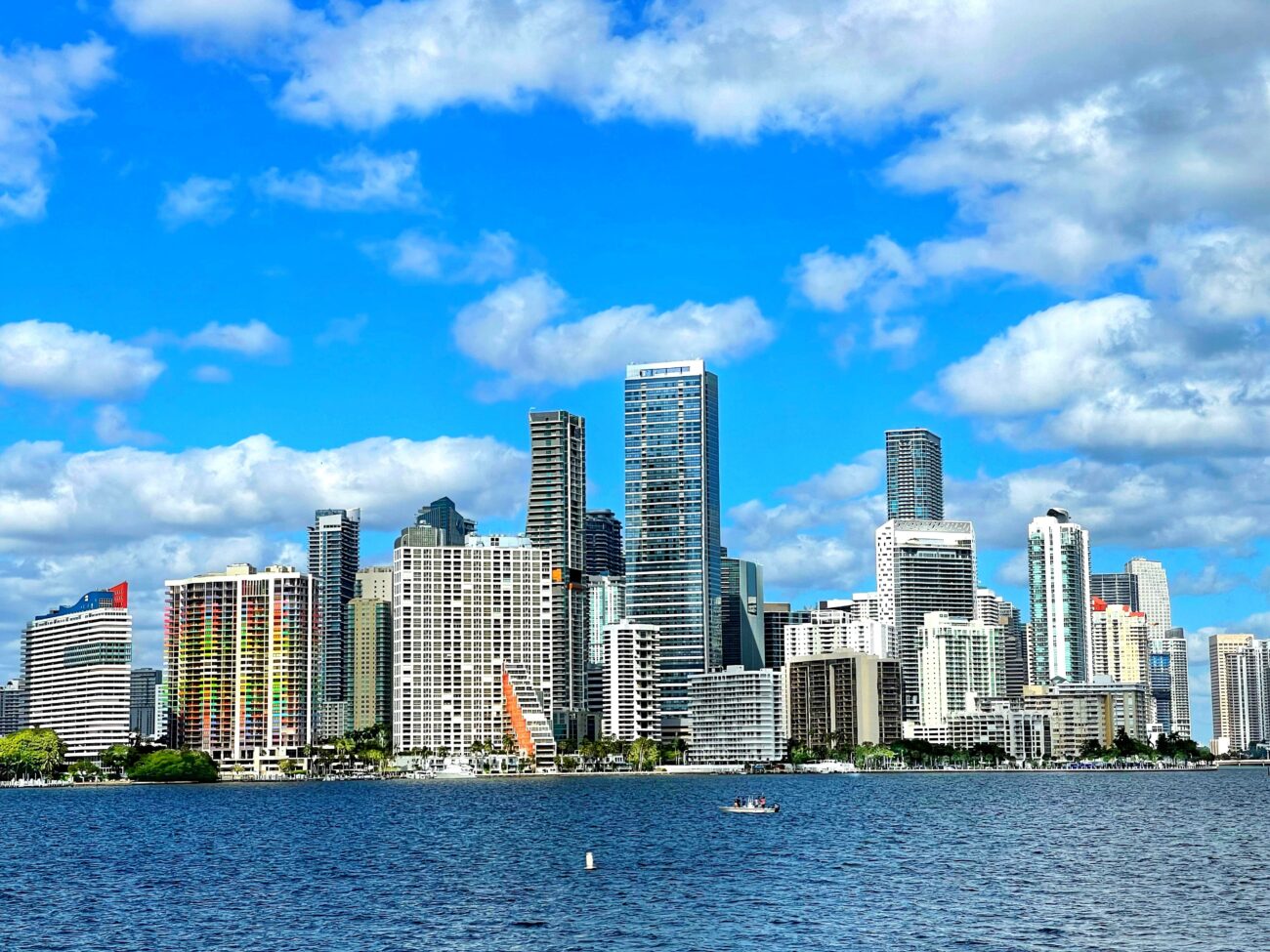
Sky-high restaurant prices just cost New York City its foodie crown, landing America’s culinary capital at a shocking 26th place in 2025’s best foodie cities ranking. Meanwhile, Miami claimed the top spot by delivering what modern food travelers actually want: incredible diversity without breaking the bank. The shift reveals how affordability and accessibility now matter as much as Michelin stars when Americans choose their next culinary adventure.
Affordability Reshapes Food Travel Rankings
New methodology prioritizes everyday dining experiences over fine dining prestige alone.
The ranking revolution stems from WalletHub’s comprehensive approach, evaluating 182 cities across 28 indicators that include grocery costs, farmers’ market access, and price-to-value ratios. This framework moves beyond traditional Michelin obsession toward everyday food experiences that matter to actual travelers and residents.
Cities now earn points for community engagement, local sourcing accessibility, and making quality food affordable for everyone—not just expense account diners.
Key Winners & What Sets Them Apart:
- Miami (#1): 13 Michelin stars + Latin/Caribbean diversity + high restaurant-per-capita ratio
- Portland (#2): No sales tax + craft brewery scene + DIY/local sourcing culture + food festivals
- San Francisco (#3): 26 Michelin establishments + healthy food accessibility + restaurant diversity
- NYC (#26): Unmatched cuisine variety undermined by poor affordability
Community Engagement Trumps Celebrity Chefs
Top cities excel at serving both restaurant diners and home cooking enthusiasts.
“Top cities cater not just to people who enjoy dining out, but also foodies who like exploring new flavors at home,” according to WalletHub’s analysis. “In addition, these cities make delicious dining affordable for residents and visitors alike.”
Miami’s victory showcases this balance perfectly—world-class Cuban cafeterias sit blocks from Michelin-starred establishments, while farmers’ markets overflow with tropical produce accessible to everyone. Portland doubles down on this philosophy with no sales tax, extensive food festivals, and a DIY culture that turns every neighborhood into a culinary experiment.
Even San Francisco, with 26 Michelin restaurants, maintains strong community food scenes through farmers’ markets and affordable ethnic enclaves.
NYC’s ranking reflects the harsh reality that legendary variety means little when most experiences require premium pricing that excludes everyday food exploration.
The rankings signal a fundamental shift in American food culture—community accessibility and affordability now outweigh prestige alone when choosing your next culinary destination.