

European chefs transform former mining sites into intimate dining destinations that blend industrial heritage with gourmet experiences.
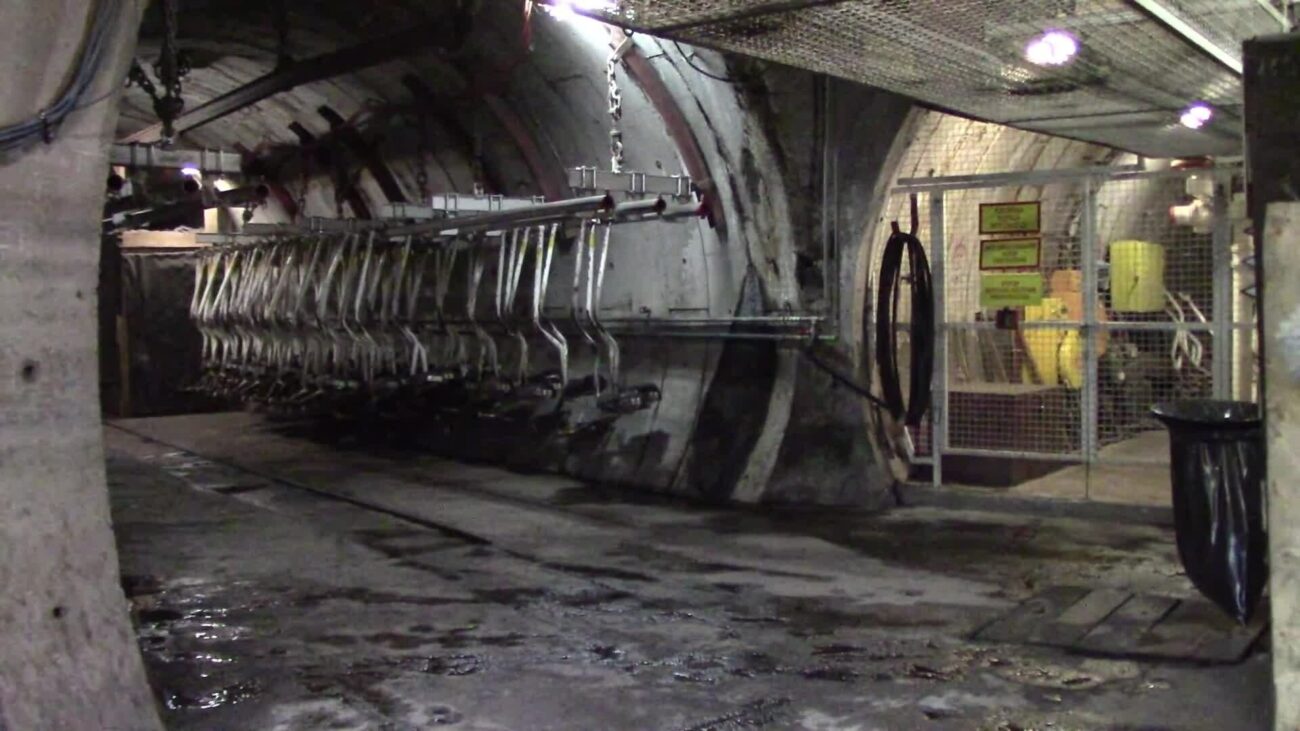
Hard hats replace dinner jackets as adventurous diners descend elevator shafts into Europe’s most unconventional restaurants. The cool, still air of abandoned mines creates an intimate acoustic bubble where conversation echoes softly against reinforced stone walls. This isn’t dining as performance art—it’s a calculated blend of culinary tourism and heritage preservation that transforms sites of industrial labor into spaces of communal pleasure, much like the hidden speakeasies that turn secrecy into exclusivity.
Finland’s Underground Pioneer
Chef Samuli Valonen’s limestone mine restaurant proves that fine dining can thrive 260 feet below ground.
Award-winning chef Samuli Valonen opened Lumon (meaning “cave”) in Finland’s Tytyri limestone mine, creating a temporary fine dining experience that showcased Nordic cuisine’s potential in the most unlikely venue. Located in Lohja, just an hour’s drive from Helsinki, the restaurant operated as a pop-up in reinforced chambers where geology became the ultimate dining room design.
The stable underground temperature and natural acoustics allowed flavors to take center stage without the distractions of weather, traffic, or the typical restaurant bustle.
Key Underground Dining Details:
- Slovenia’s Velenje Coal Mine offers four-course meals at €500 per person, 160 meters underground
- Safety protocols include mandatory hard hats and historic elevator transportation
- Food preparation happens above ground due to methane risks from past mining explosions
- Reservations essential—limited seating creates exclusivity that matches the unique setting
- Year-round availability thanks to consistent underground temperatures
Slovenia’s Coal Mine Transformation
Velenje’s 120-year-old mining tunnels now host Europe’s most elaborate underground dining experience.
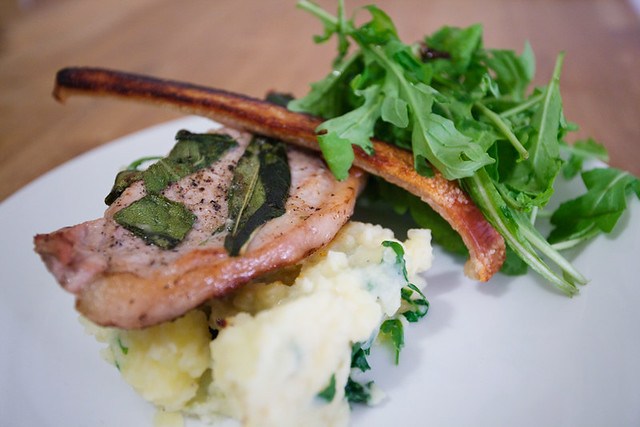
Slovenia’s Velenje Coal Mine, shuttered decades ago, has become the continent’s most ambitious underground restaurant project. Diners wearing hard hats descend via the same historic elevator that once carried miners, then experience a four-course meal inspired by the region’s coal mining heritage. These abandoned mines represent the ultimate hidden destination dining experience.
The €500 price tag reflects both the logistical complexity and the rarity of the experience—this isn’t casual dining but rather culinary theater that honors industrial history. The underground environment changes how you taste food, with heightened acoustics making every flavor more pronounced without visual distractions.
Post-meal, guests explore the tunnels via underground train, turning dinner into a full heritage immersion that TikTok food adventurers can’t replicate at home.
Underground dining remains concentrated in Europe, where safety regulations and mining infrastructure support such conversions. While the U.S. lacks permanent mine restaurants, this trend suggests that experiential dining will continue pushing boundaries, transforming forgotten industrial sites into tomorrow’s most sought-after reservations.