

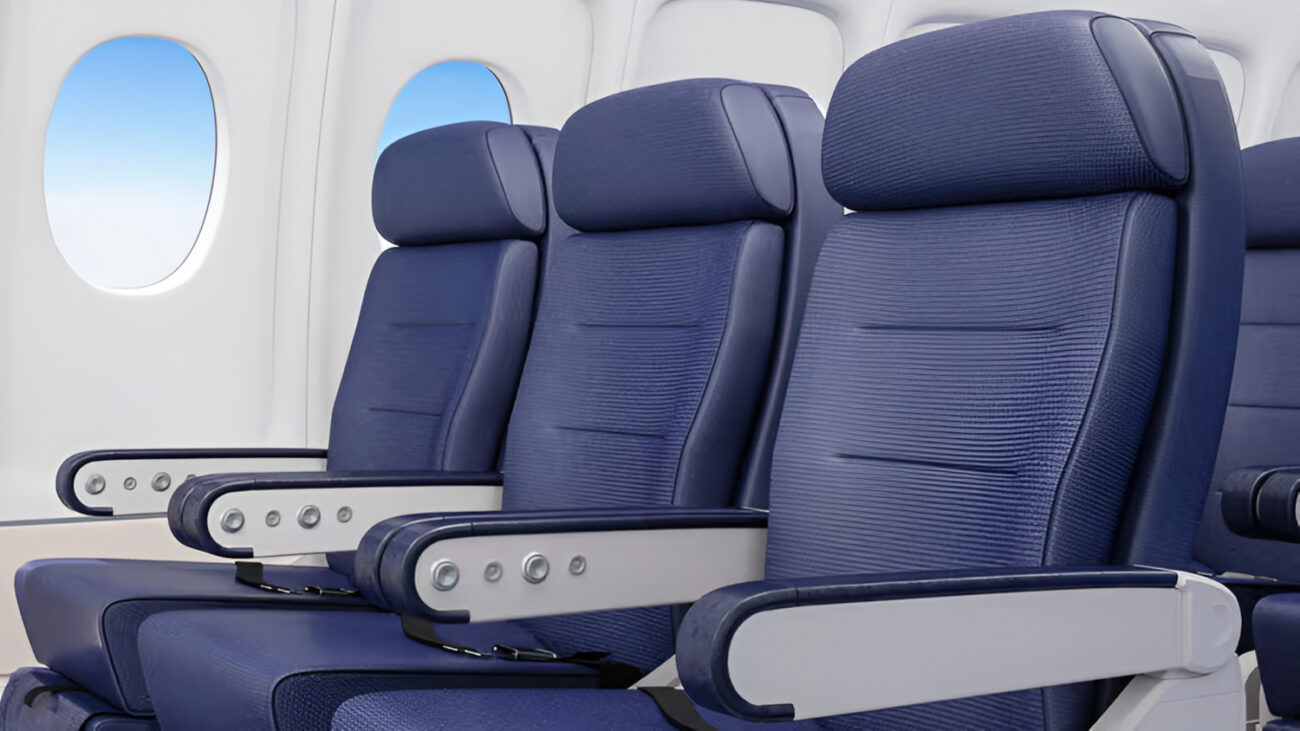
You paid extra for a window seat. You boarded, found your row, and discovered you’re staring at a blank wall. No oval porthole. No clouds. Just the interior of an airplane and a label that may have meant something different to the airline than it did to you. A Brooklyn federal judge recently refused to dismiss a proposed class-action lawsuit over exactly that scenario — one that could affect more than one million Delta passengers.
The Seat That Wasn’t There
Four passengers sued Delta in August 2025, alleging the airline assigned them windowless positions without disclosing the missing view during booking.
The plaintiffs claim Delta placed them beside blank walls on Boeing 737, 757, and Airbus A321 aircraft — and said nothing about it at the time of purchase. U.S. District Judge Ramon Reyes denied Delta’s motion to dismiss the case. Delta’s defense rested on its contract of carriage, which states the airline does not guarantee specific seat assignments, arguing that aircraft substitutions make such promises impossible. Judge Reyes did not find that language decisive enough to end the case at this stage.
Four passengers filed the proposed class action in August 2025. The proposed class exceeds one million Delta passengers, with damages sought running into the millions. Delta declined to comment on the pending litigation. No liability has been established, and no wrongdoing has been determined. The lawsuit simply survives to fight another day.
Delta Isn’t Alone in Facing This Question
A nearly identical ruling against United Airlines in July 2026 signals that courts across the country are willing to scrutinize how airlines sell and label seats.
In that case, U.S. District Judge James Donato in San Francisco noted that United’s ticketing terms, boarding passes, and reservation screens all represented that passengers would receive window seats — enough to keep breach-of-contract claims alive. Neither ruling established final liability; both cases remain unresolved.
Plaintiffs’ attorney Casey Olbrantz called the Delta decision “a significant precedent in establishing that, despite federal deregulation, passengers can still hold airlines accountable when they don’t get what they paid for,” according to Reuters.
The core dispute is as contractual as it is semantic: does “window seat” describe a position along the aircraft wall, or does it promise an actual window and an outside view? Neither judge has answered that question yet. The Delta ruling leaves it squarely for later proceedings. Courts appear willing to hold airlines to ordinary consumer expectations rather than contract fine print, as seen in a parallel hidden fee case where similar consumer-disclosure arguments gained traction.
What This Means for You Right Now
No refunds have been ordered and no class has been certified, but the legal pressure building across two major carriers is real — and worth watching.
Although airlines increasingly treat seat selection as a separately priced product, making seat labels and booking disclosures more consequential, nothing has changed for travelers today. If airlines eventually lose these cases, booking screens and seat labels could shift — windowless positions flagged, disclosures required before purchase. Courts appear willing to hold airlines to ordinary consumer expectations rather than contract fine print, but that outcome remains speculative.
Until then, checking the seat map carefully before paying extra for a preferred position is the most practical step available. Brushing up on airport security requirements is another way to reduce friction on travel day. The legal pressure is mounting — but for now, the research burden still lands on you.