

New Orleans created jazz, sustained brass bands, and developed R&B in specific physical locations that still function as musical sites. Five places let you hear music where it was invented, preserved, and passed down through generations rather than packaged for tourist consumption.
Congo Square, Louis Armstrong Park, Treme.
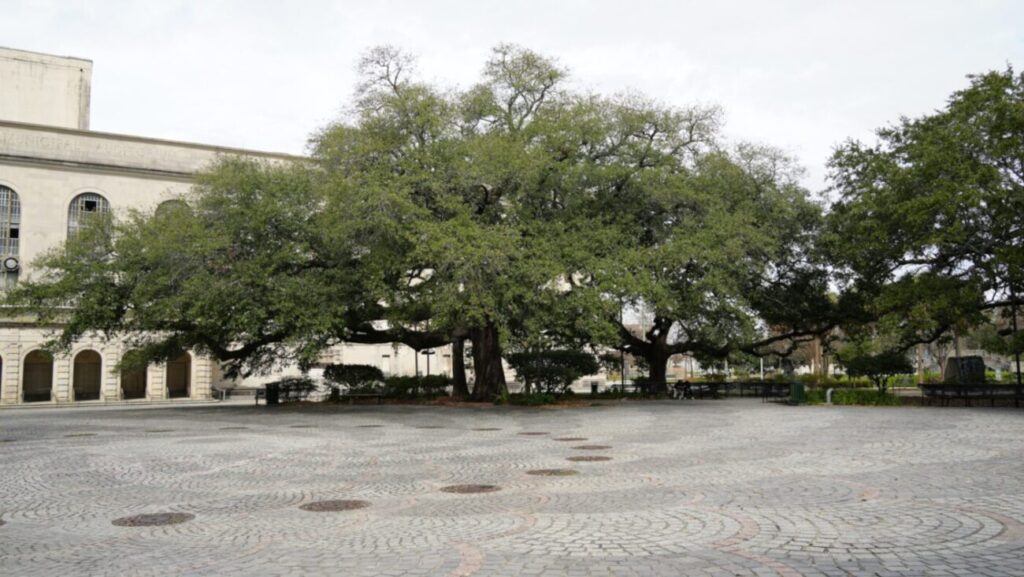
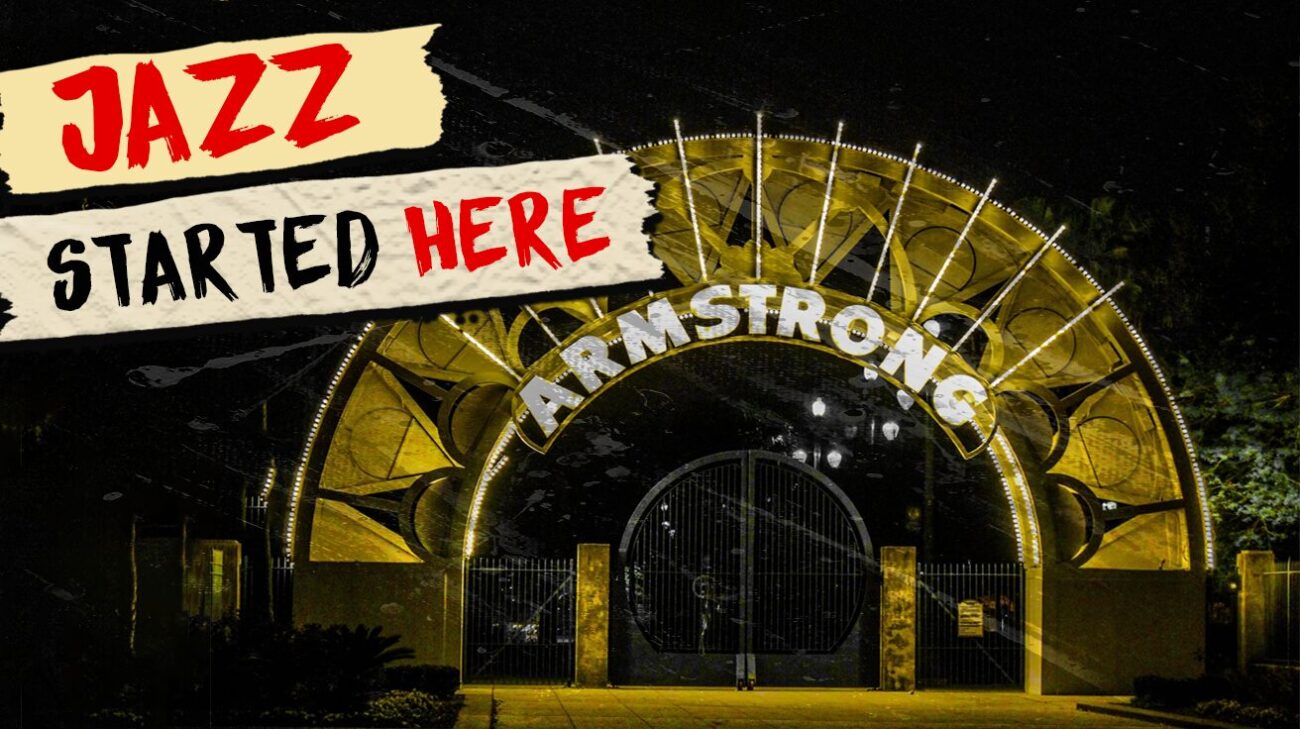
This open space in Armstrong Park is where enslaved Africans gathered Sundays in the 1700s-1800s to play drums, dance, and maintain cultural traditions. The drumming circles were among the few places slaves could practice African music and religion. These gatherings created the rhythmic foundation for jazz, second-line, and funk.
Modern drumming circles happen Sundays around 3pm, weather permitting. Free admission to the park. The square sits behind the French Quarter at North Rampart and St. Peter. This is origin point for New Orleans rhythm. Phone: (504) 658-3200.
Preservation Hall, 726 St. Peter Street, French Quarter.
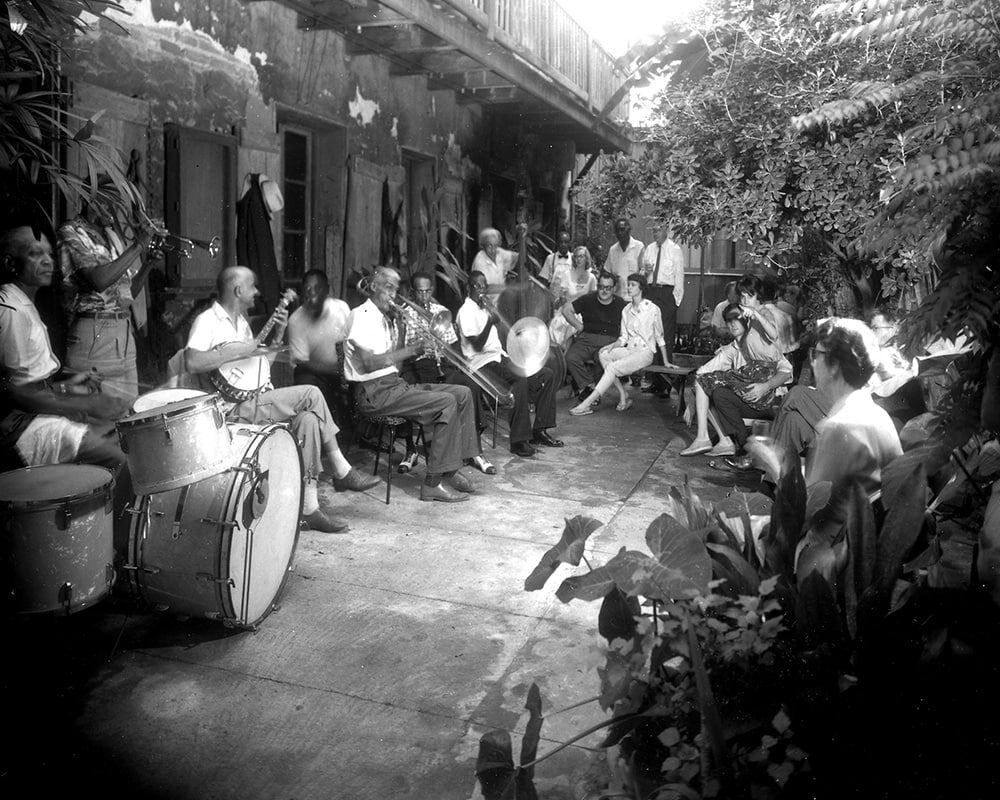
Operating since 1961 as dedicated traditional jazz venue. The hall seats 100 people on wooden benches in a room with no air conditioning, no bar, no amplification. Musicians play acoustic instruments: trumpet, trombone, clarinet, banjo, tuba, drums. Sets run 45 minutes. Shows on the hour, every hour from 5pm to 10pm nightly. Tickets will run you about $25-45. The hall preserves jazz as it sounded in the 1920s-1940s, before electric instruments, and many musicians are third- or fourth-generation jazz players from New Orleans families.
This is cultural preservation through live performance. Phone: (504) 522-2841.
The New Orleans Jazz Museum, 400 Esplanade Avenue, French Quarter.
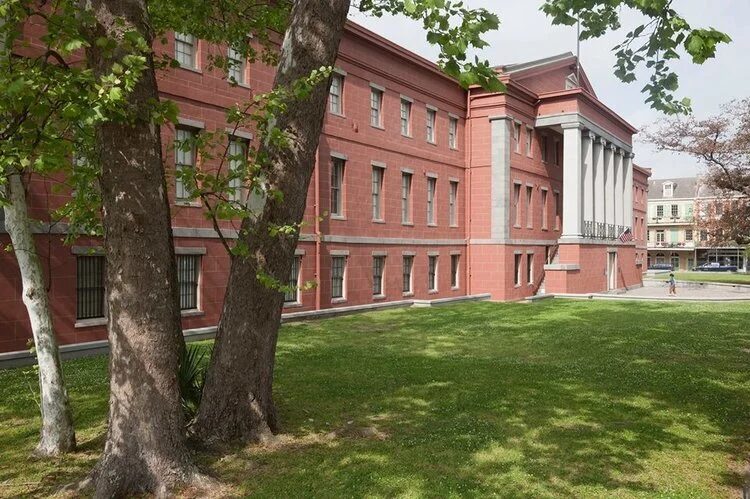
Located in the Old U.S. Mint building from 1835. The museum has exhibits on jazz history, Louis Armstrong, and brass band culture. The performance hall hosts live shows Thursday-Saturday evenings. Musicians perform in the historic vault room with brick walls and arched ceilings. The acoustics are exceptional. Shows range from traditional jazz to contemporary brass.
Tickets $15-30. Museum admission $8. Open Tuesday-Sunday 10am-4:30pm. The building itself is historic architecture. Phone: (504) 568-6993.
Dew Drop Inn, 2836 LaSalle Street, Central City.
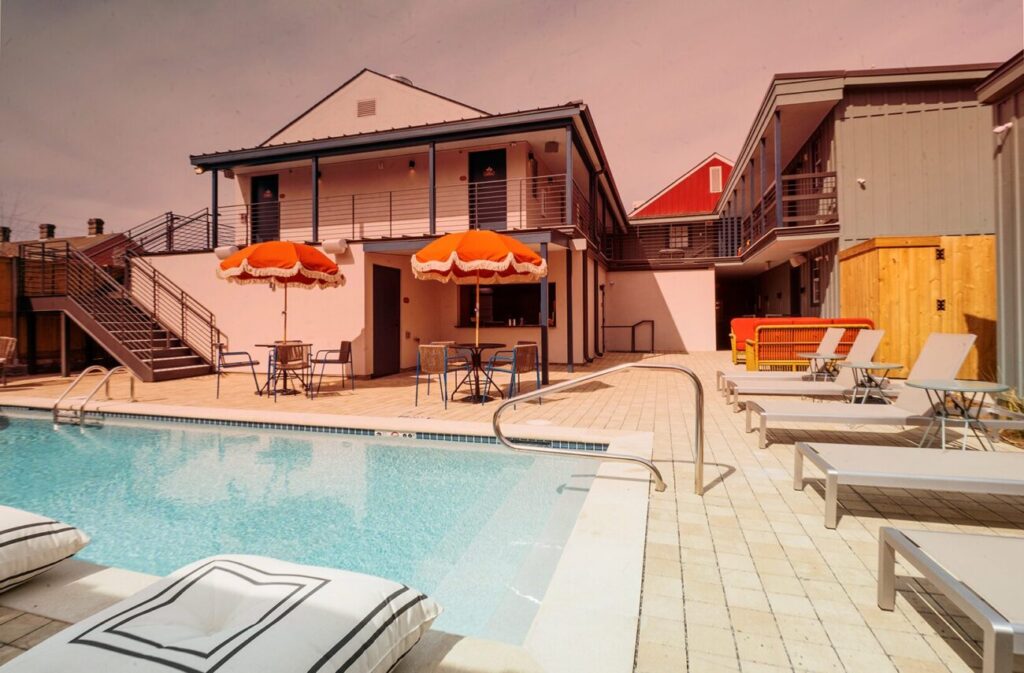
This club operated 1939-1972 as the most important Black music venue in New Orleans. Ray Charles, Little Richard, James Brown, and Etta James performed here during the Chitlin’ Circuit era when segregation prevented Black artists from playing white venues. The building deteriorated for decades. Restoration completed in 2024, reopening it as a performance venue and cultural center. Check the website for the performance schedule.
The restoration preserved the original stage, dance floor, and hotel rooms upstairs where touring musicians stayed. This is R&B and soul music history. Phone: (504) 382-3705.
Tuba Fats Square, North Dorgenois Street and North Roman Street, Treme.
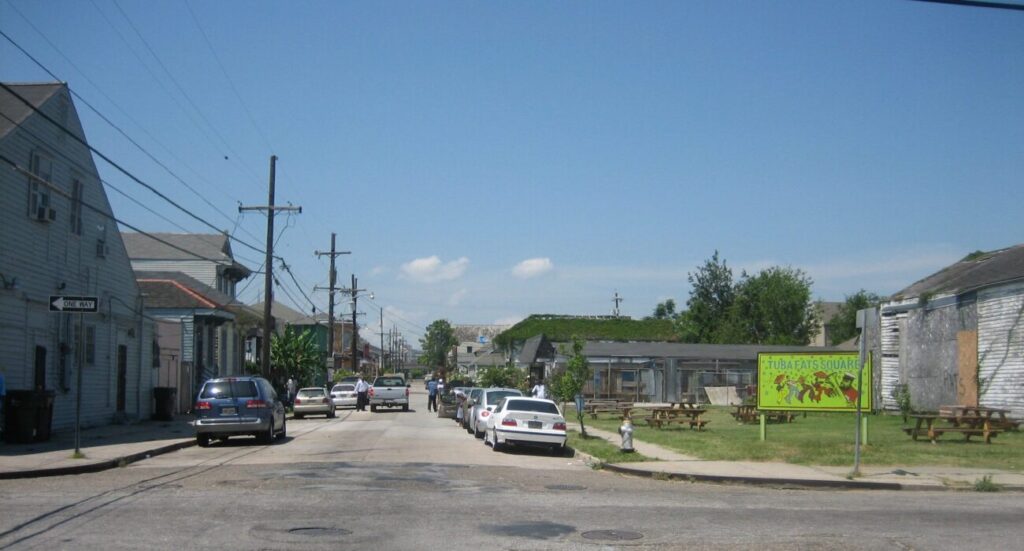
This small triangular park honors tuba player Anthony “Tuba Fats” Lacen, who performed here regularly in the 1980s-1990s. Brass bands still gather here before second-line parades and for impromptu performances. No scheduled shows, music happens organically when musicians show up. Sundays are the most active. Free admission, it’s a public park.
Bring cash to tip musicians. The square represents street brass band culture, where music happens in neighborhoods, not venues. This is where second-line music exists in daily life.