

Sylvester Francis got tired of paying $35 for his own photograph. In 1979, he paraded with the Gentlemen of Leisure Social Aid and Pleasure Club. A photographer snapped him in his finery and charged $35 for a print. Francis paid, then bought a Super 8mm camera and a still camera, figuring he’d shoot his own photos next time.
Francis dropped out of the club but kept the cameras. He started documenting jazz funerals, second-line parades, Mardi Gras Indians, Baby Dolls, Skull and Bone gangs. He shot everything happening in the backstreets when museum curators showed zero interest in these traditions. His tenacity earned him the nickname The Hawk.
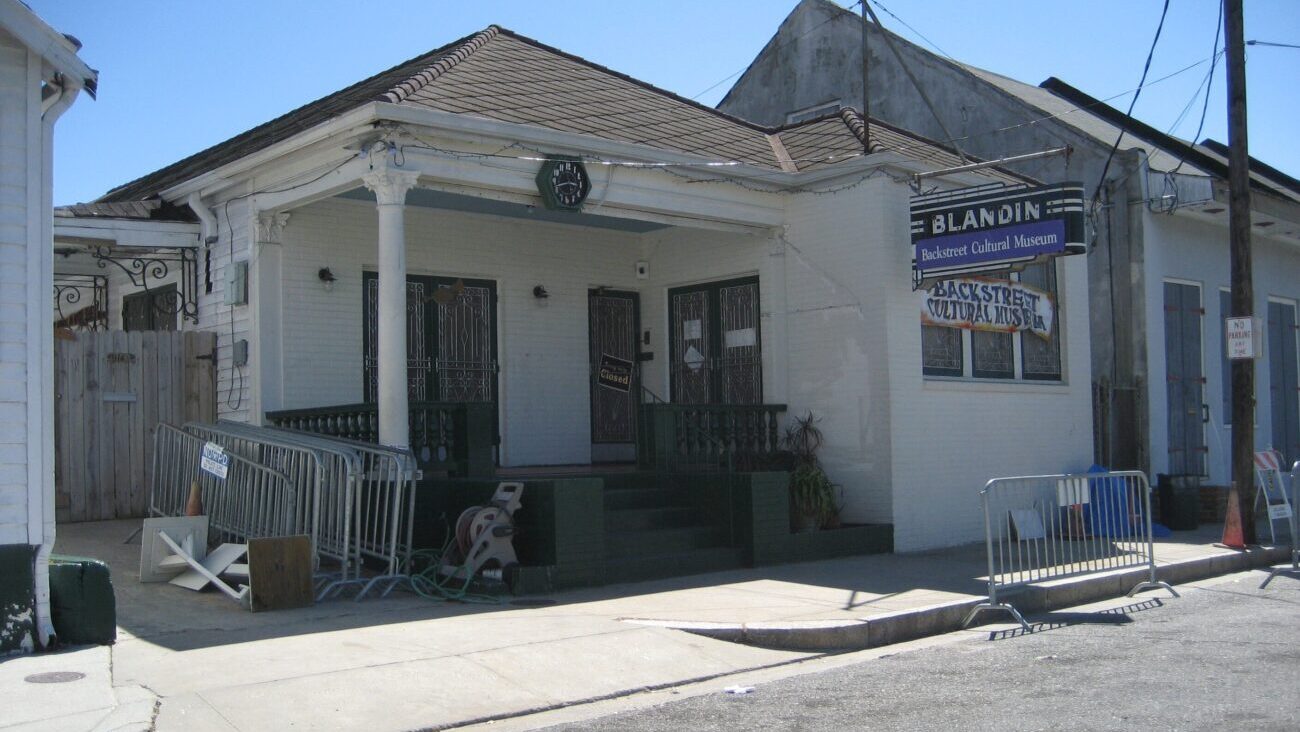
In 1988, Francis started displaying photographs and Mardi Gras Indian memorabilia in his two-car garage in Treme. Chief Victor Harris of the Mandingo Warriors donated costumes. Social aid and pleasure club members donated parade umbrellas. Joan Brown Rhodes from Rhodes Funeral Home started bringing tour groups. When the Blandin funeral parlor closed, Rhodes suggested Francis move the collection into that building. The Backstreet Cultural Museum opened there in 1999.
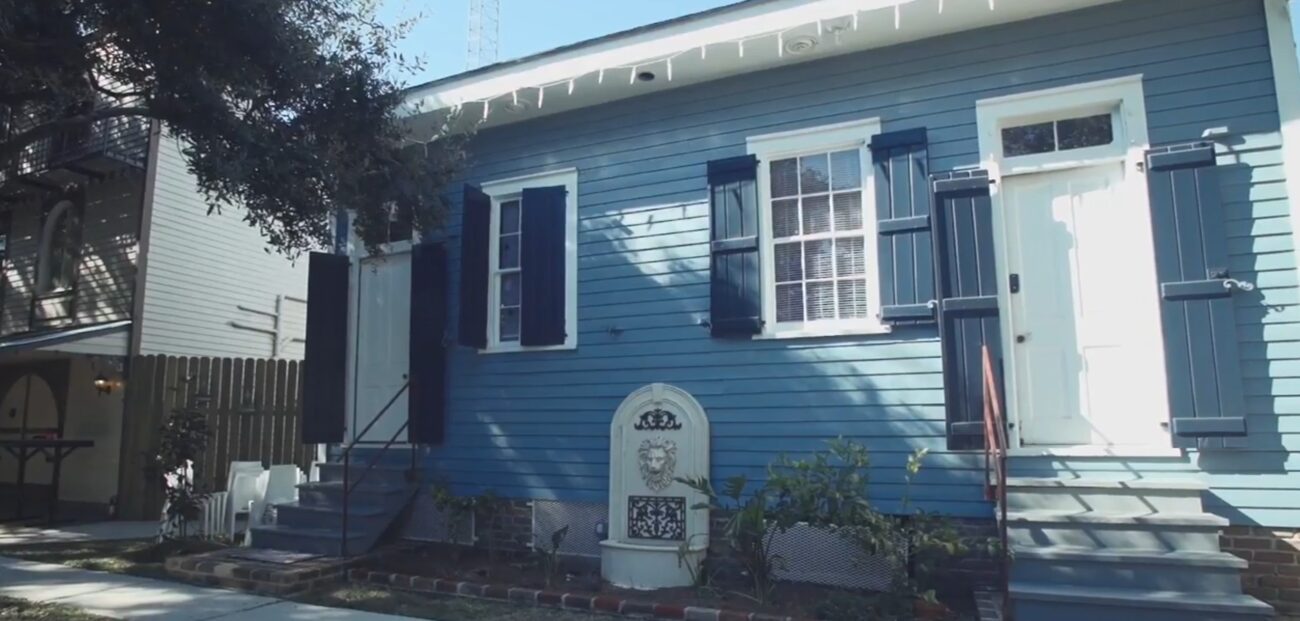
Francis died in 2020. His daughter Dominique Dilling Francis runs the museum now. Hurricane Ida destroyed the Blandin building in 2021. The museum moved to 1531 St. Philip Street in Treme, expanding into a new second-floor gallery in April 2025.
Walk through the doors, and you’re surrounded by Mardi Gras Indian suits. Vibrantly colored, intricately beaded costumes line the walls. Chiefs and tribe members spend all year creating these suits, sewing thousands of beads and feathers by hand, then wear them once or twice before retiring them and starting over. The tradition started in the 1700s and 1800s as a way to honor indigenous communities that welcomed enslaved Africans who escaped their captors.
Baby Dolls get their own section. This tradition dates to 1912, when women formed the first female masking group to participate in Mardi Gras. They wore fancy dresses and paraded through Treme and other largely Black neighborhoods. The tradition went inactive for decades before reviving in 2004.
The Skull and Bone gangs roam Treme in the early hours of Mardi Gras morning, wearing handcrafted skulls, skeleton suits, walking on stilts, carrying animal bones, beating drums to alert the community that Mardi Gras has arrived. The Northside Skull and Bone Gang starts its procession from the museum.
Social aid and pleasure clubs created the second-line tradition. These benevolent societies were formed after the Civil War to help Black communities when government and institutions wouldn’t. Jazz funerals combine mourning with celebration, starting somberly before the band breaks into upbeat music after the burial, and the crowd dances through the streets.
Guides who grew up in the tribes or clubs walk visitors through exhibits explaining context that tourists miss. They talk about the labor involved in creating suits. They explain the social structure of Indian tribes. They make clear these aren’t performances for tourists. These are living traditions practiced by communities for themselves.
The museum holds filmed records of over 500 events, the most cohesive archive documenting these traditions. The new second-floor gallery includes bounce music, fashion, and contemporary New Orleans culture.
Backstreet Cultural Museum, 1531 St. Philip Street, Treme. Hours 10am – 4pm. Admission $20 donation. Founded by Sylvester Francis 1999. Annual Mardi Gras Open House. Second-line tours available.