

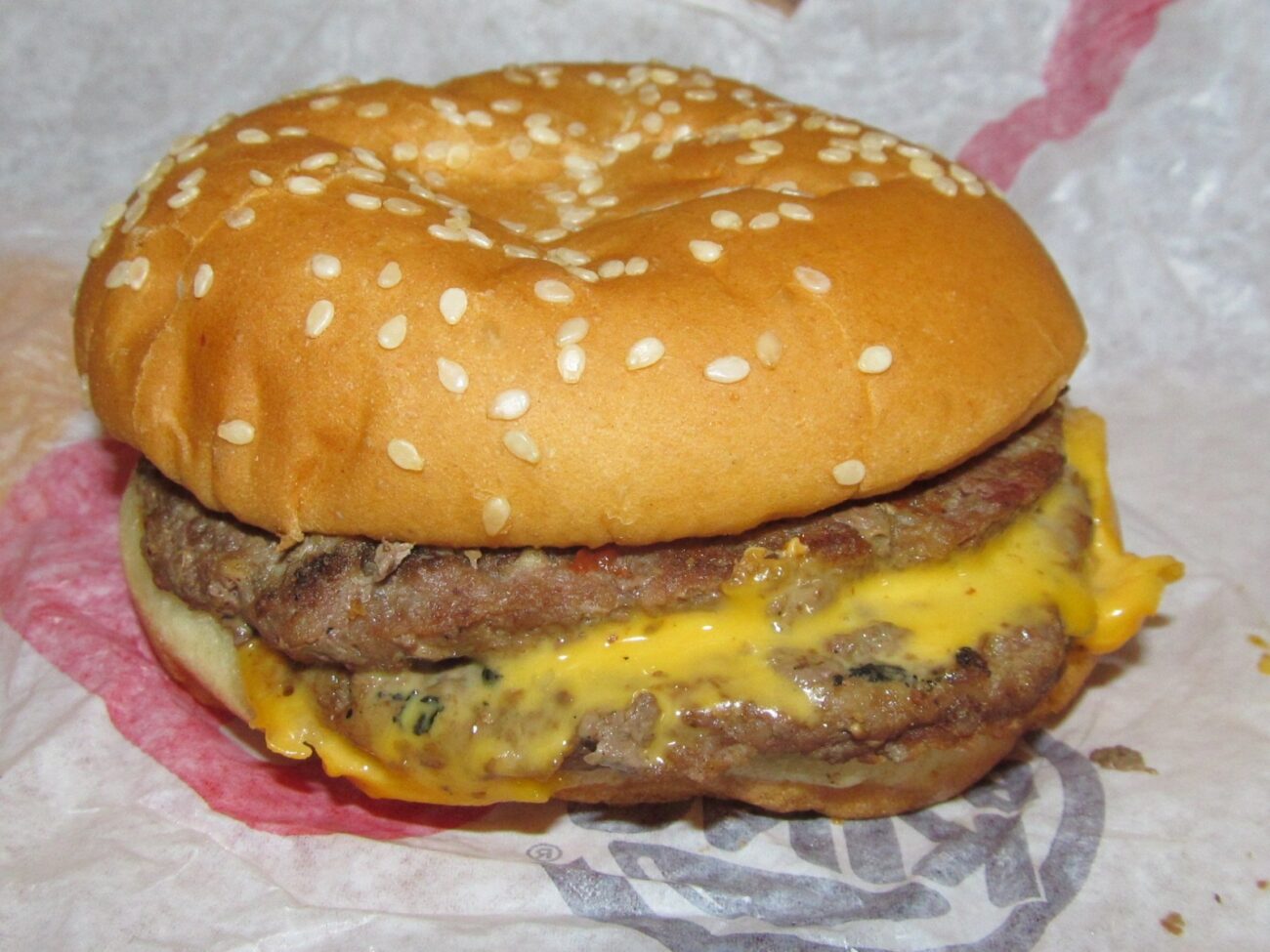
Your virtuous lunch choice just backfired spectacularly. That Wendy’s Apple Pecan Salad you ordered to avoid burger guilt? It’s 450 calories before dressing—meanwhile, McDonald’s McDouble clocks in at just 400. in at just 400. Restaurant menus have turned virtue signaling into a calorie trap, and the worst part is how deliberately they’re doing it with various restaurant tricks.
The Hidden Calorie Bombs
Popular “healthy” menu items demolish your daily calorie budget faster than any burger.
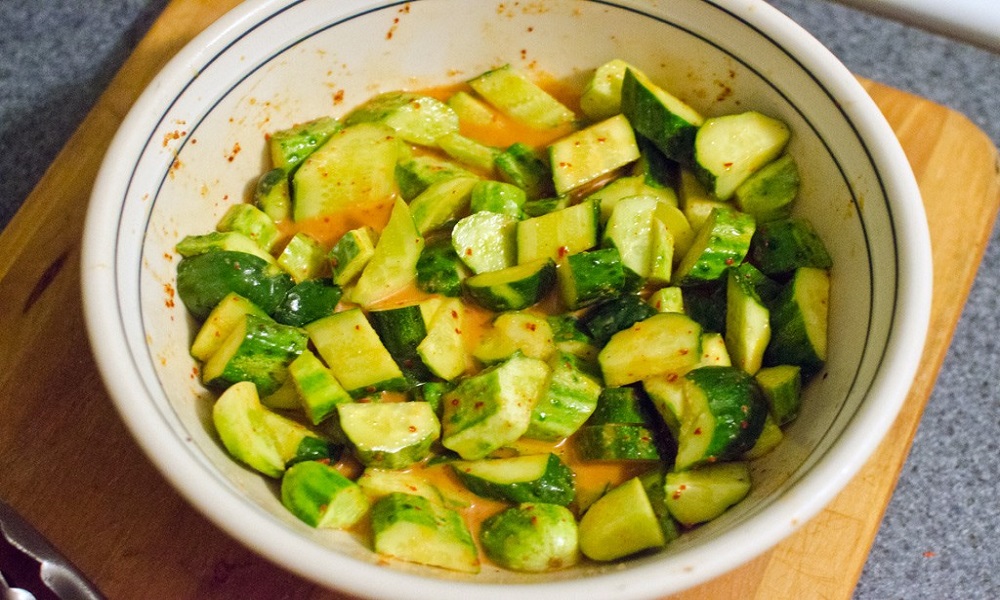
The numbers don’t lie, even when the marketing does. Jimmy John’s Mediterranean Wrap delivers 760 calories of plant-based “wellness”—150 calories more than a Wendy’s Single with cheese. Chipotle’s beloved bowls range from a reasonable 460 calories to a staggering 1,115 once you add rice, beans, cheese, sour cream, and that Instagram-worthy guacamole dollop. If you want genuinely healthy options, try making a simple cucumber salad at home instead.
Hidden villains lurk in your “clean” meal:
- Fried toppings masquerading as protein add serious calories
- Dressings applied with a heavy hand pack unexpected punch
- Candied nuts that restaurants call “superfood toppings” boost numbers dramatically
- Portions would make a linebacker weep
That tahini drizzle? It adds 220 calories. Those “crispy” chickpeas are deep-fried and calorie-dense.
Why Restaurants Target Your Good Intentions
The psychology behind menu engineering exploits diet culture for maximum profit.
Restaurants didn’t accidentally stumble into this calorie shell game—they engineered it. Studies from the Center for Research confirm that diners consistently underestimate calories in items labeled “fresh,” “superfood,” or “whole grain.” Women especially report feeling pressured to order lighter-sounding options in social settings, making them prime targets for these deceptively heavy dishes.
The health halo effect works like a charm. Slap quinoa and kale into a bowl, charge $14, and watch customers assume they’re eating virtuously while consuming more calories than a Quarter Pounder. Chain restaurants must post calorie counts by federal law, but smaller spots aren’t required to—and many customers ignore the numbers anyway, trusting the marketing copy instead.
Skip the virtue-signaling menu items and read the actual numbers. Your waistline will thank you for choosing the honest burger over the misleading salad. Or better yet, consider a straightforward carnivore diet approach that eliminates the guesswork entirely.