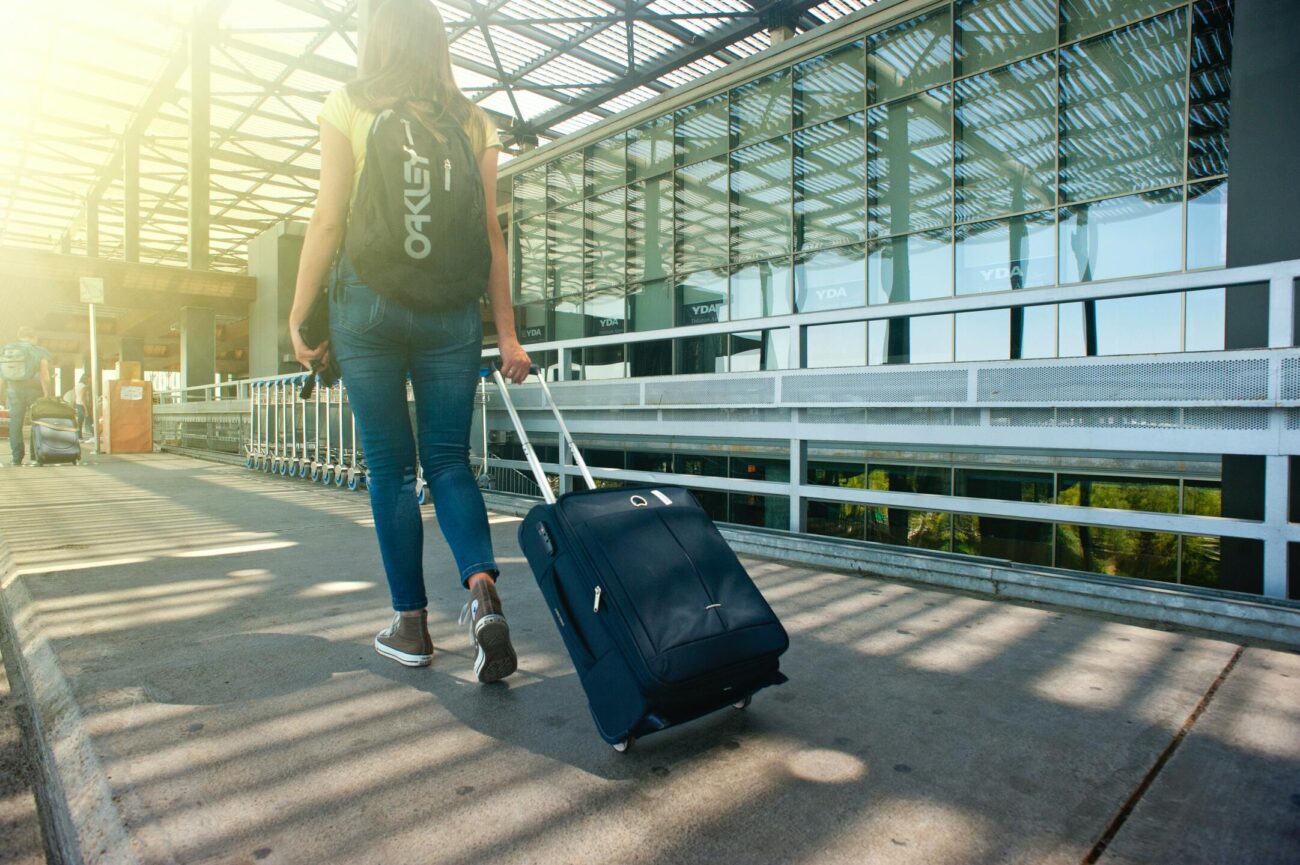


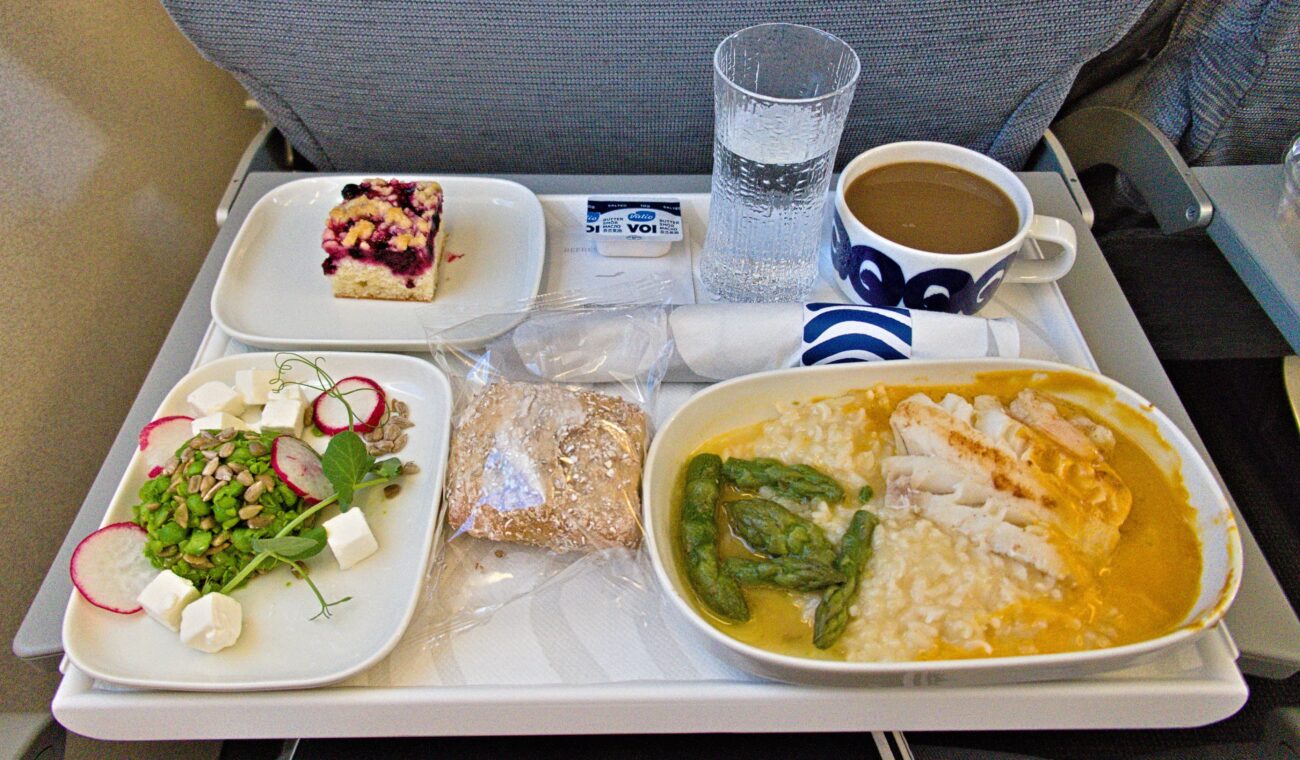
The woman in 14C picks at her pretzels, ignoring the meal service rolling down the aisle. Her seatmate devours airline pasta while she sips water, claiming she’s “not hungry.” This scene repeats across thousands of flights daily, and new research reveals it’s more dangerous than anyone realized.
Late Meals Trigger Mental Health Spiral
A large-scale study published in JAMA Network Open found that delaying dinner past 8 p.m. or breakfast past 9 a.m. significantly increases mood disorder risks among airline personnel. The numbers are stark:
- 79% higher anxiety risk with late breakfast
- 78% higher anxiety risk with late dinner
Flight schedules routinely shatter these eating windows, but passengers—especially women—compound the problem by voluntarily skipping meals altogether.
Cultural Pressure Meets Altitude Anxiety
The airplane cabin amplifies every cultural pressure women face around food. Expectations to remain composed, avoid appearing to “overeat,” and maintain an image of control intensify in this exposed, confined space.
Nearly 9% of surveyed food-allergic airline passengers—88% of them women—report in-flight reactions, creating additional anxiety around meal choices. Many respond by avoiding food entirely, treating starvation as safer than potential embarrassment.
Skipping Meals Backfires Spectacularly
The coping mechanism becomes the crisis. Women who skip airplane meals to manage anxiety actually increase their risk of faintness, dehydration, and mood disorders. The study’s most crucial finding: keeping all meals within a 12-hour window dramatically reduces anxiety and depression rates.
Yet cultural shame around airplane eating pushes women toward the exact behavior patterns that harm their mental health.
Breaking the 30,000-Foot Food Shame Cycle
Airlines and travelers are beginning to acknowledge this intersection of gender, anxiety, and nutrition. Bringing protein-rich snacks like nuts or protein bars, communicating dietary needs in advance, and recognizing cultural pressures can help break the cycle.
The solution isn’t better airplane food—though that wouldn’t hurt. It’s understanding that food shame at altitude carries real health consequences, and that composed appearance isn’t worth compromised wellbeing.