

Forget expensive biohacking gadgets and thousand-dollar supplements. Dr. Michael Aziz, a board-certified internist and regenerative medicine specialist, argues that everyday kitchen staples can rival high-tech therapies in supporting longevity. The secret lies in foods already proven by the world’s longest-living populations—those in Blue Zones, regions where centenarians thrive on simple, whole-food diets.
The Blue Zone Connection
These regions—from Okinawa to Costa Rica’s Nicoya Peninsula—demonstrate remarkable consistency. Plant-forward eating patterns dominate, featuring nutrient-dense vegetables, legumes, and traditional preparation methods that enhance absorption. Their approach mirrors what modern nutritional science now validates: certain foods actively combat cellular aging through antioxidants, healthy fats, and anti-inflammatory compounds.
Dr. Aziz’s top antiaging foods include familiar powerhouses that deliver measurable benefits:
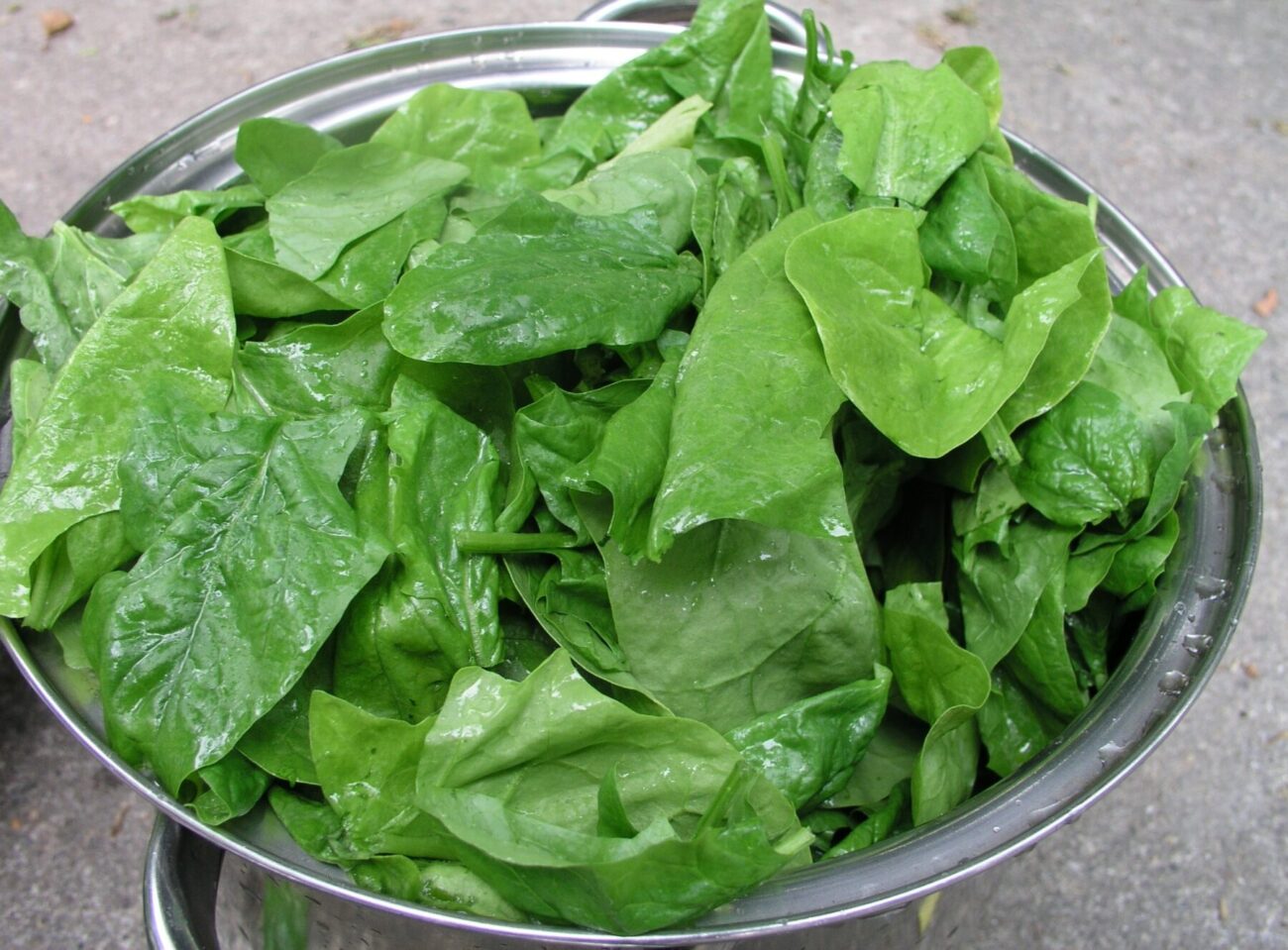
- Dark leafy greens counter oxidative stress and support brain health
- Berries reduce inflammation while protecting DNA from damage
- Nuts provide vitamin E and healthy fats—epidemiological studies suggest regular consumption may add up to four years to lifespan
- Fatty fish deliver omega-3s that reduce cardiovascular disease risk
- Avocados offer heart-healthy monounsaturated fats and fiber
- Cruciferous vegetables support detoxification and reduce chronic disease risk
The Blue Zone Stars
Purple sweet potatoes, consumed daily by Okinawan elders, pack more antioxidants than many berries while supporting cellular health and skin vitality. These vibrant tubers have been central to Okinawan diets for generations.
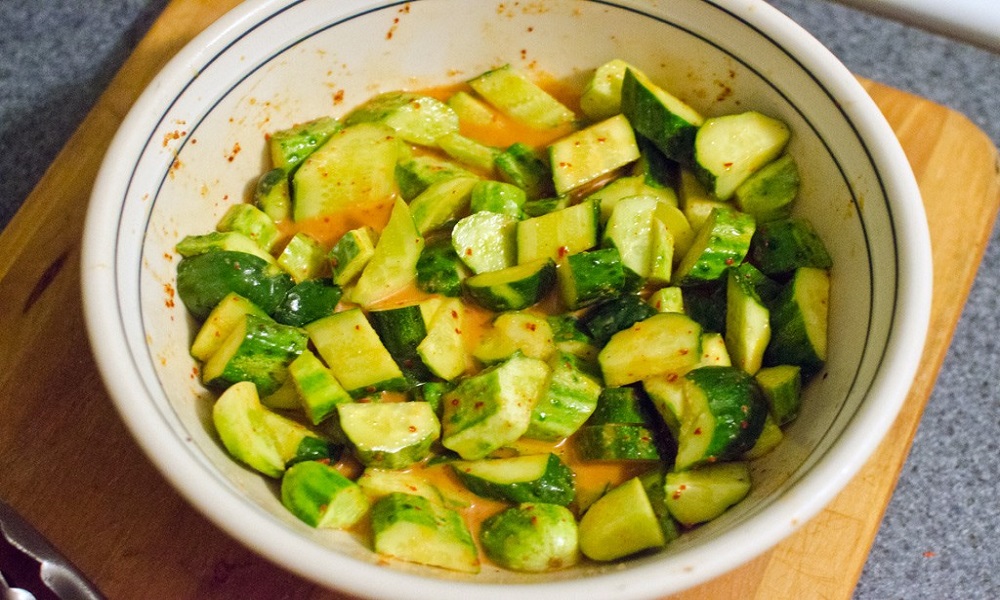
Fermented foods—yogurt, kimchi, sauerkraut—appear across all Blue Zone diets, nurturing gut microbiota that’s increasingly recognized as central to immune resilience and systemic inflammation control.
The dessert winner? Dark chocolate with 70-85% cocoa content. Its flavonoids improve blood flow, reduce blood pressure, and provide photoprotection against UV-induced skin protection—making indulgence both pleasurable and beneficial.
Making It Work
Plant-predominant eating with minimal processing forms the foundation. Add moderate quality animal protein and routine inclusion of nuts, greens, and fermented foods. These populations didn’t stumble onto longevity—they built it, one meal at a time, with ingredients that remain accessible to anyone willing to shop like a centenarian.