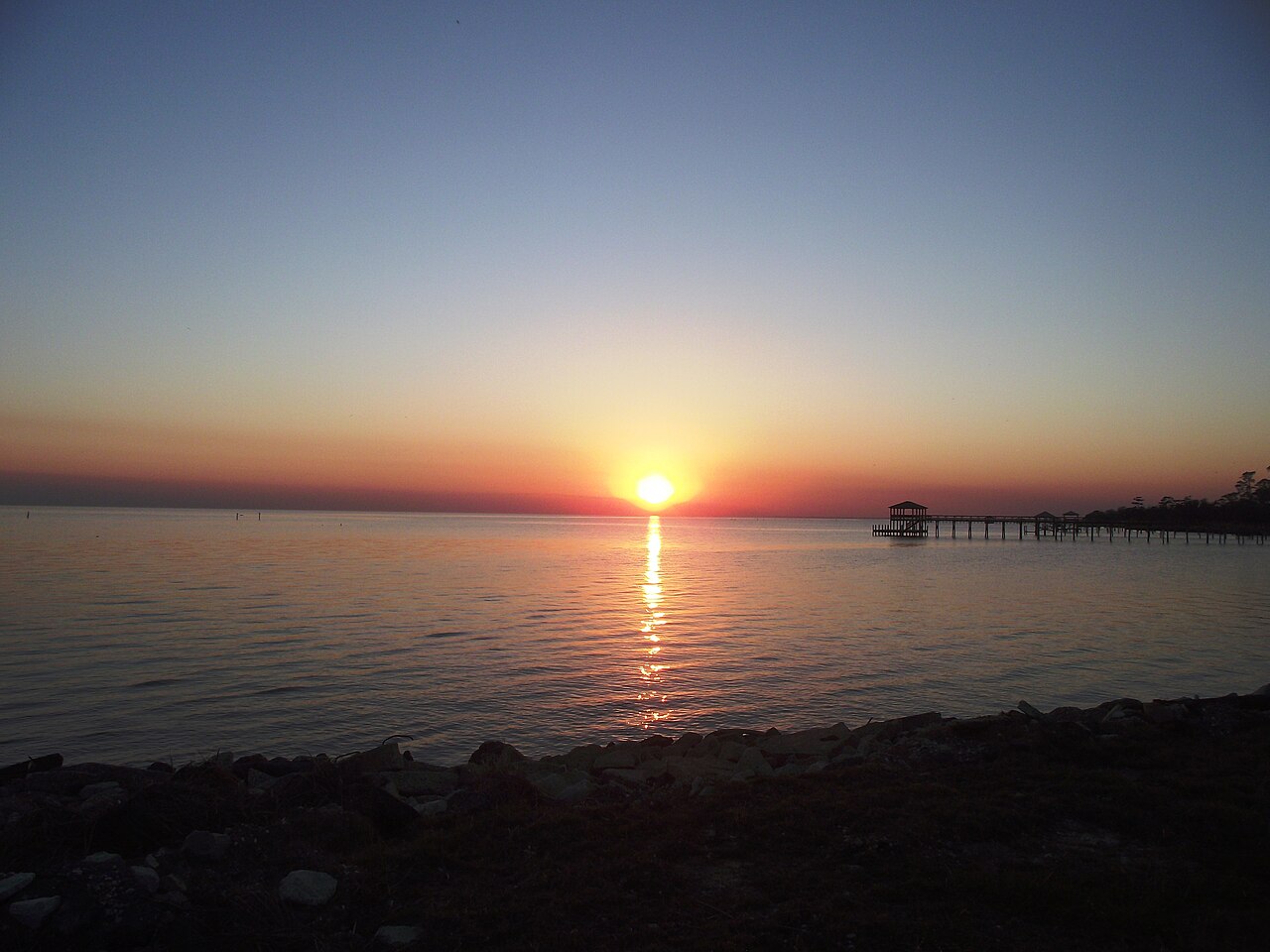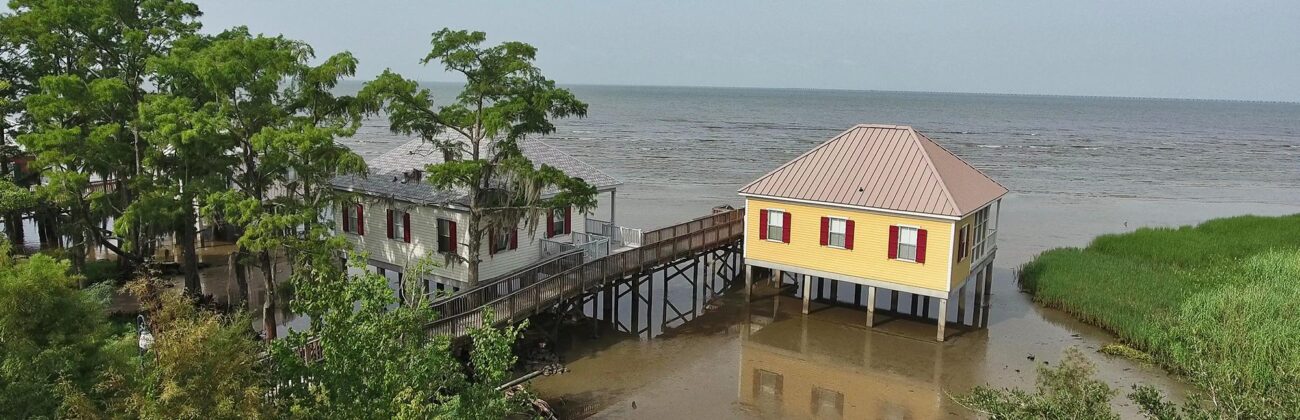


Across our globe, places exist that challenge our reality and bend natural laws. From gravity-defying hills to eternal flames, these sites offer glimpses into scientific mysteries that blend wonder with cultural significance.
12. Eternal Flame Falls
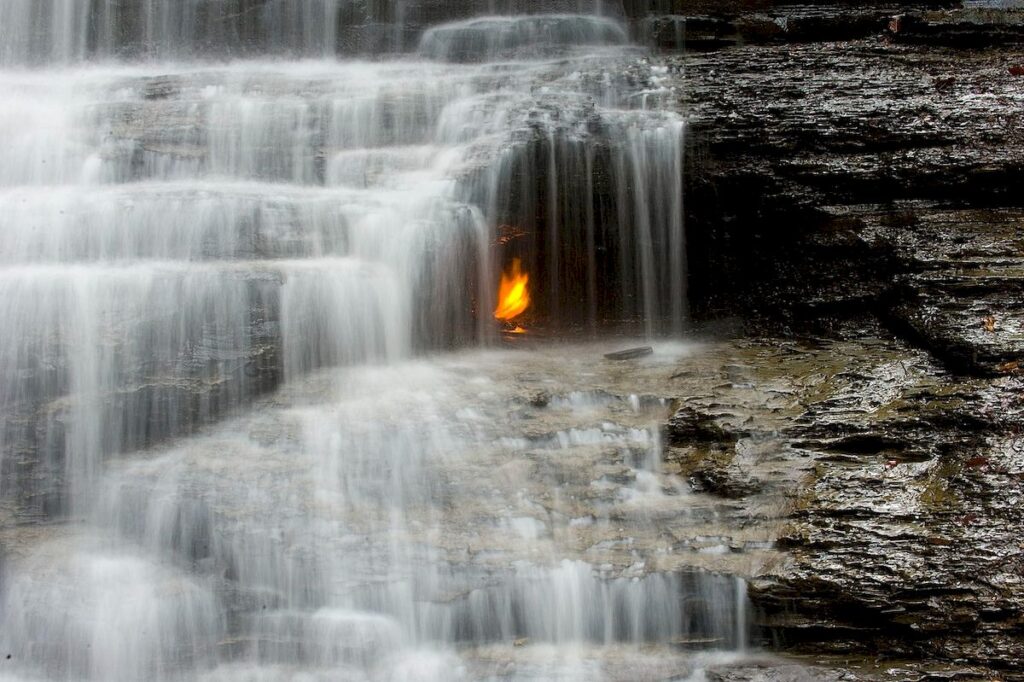
Behind a delicate curtain of cascading water in Chestnut Ridge Park, a flame flickers defiantly, creating one of nature’s most bewildering contradictions. This isn’t an ordinary fire; it’s a continuous natural gas seepage from the Rhinestreet Shale formation approximately 400 meters below.
Scientists have identified that the unique gas composition (35% ethane and propane rather than typical methane) makes this phenomenon especially rare. Even when extinguished by wind or rain, visitors easily relight this stubborn flame, ensuring the eternal dance of fire and water continues—nature’s own version of refusing to let anyone rain on its parade.
11. Eisriesenwelt Ice Cave
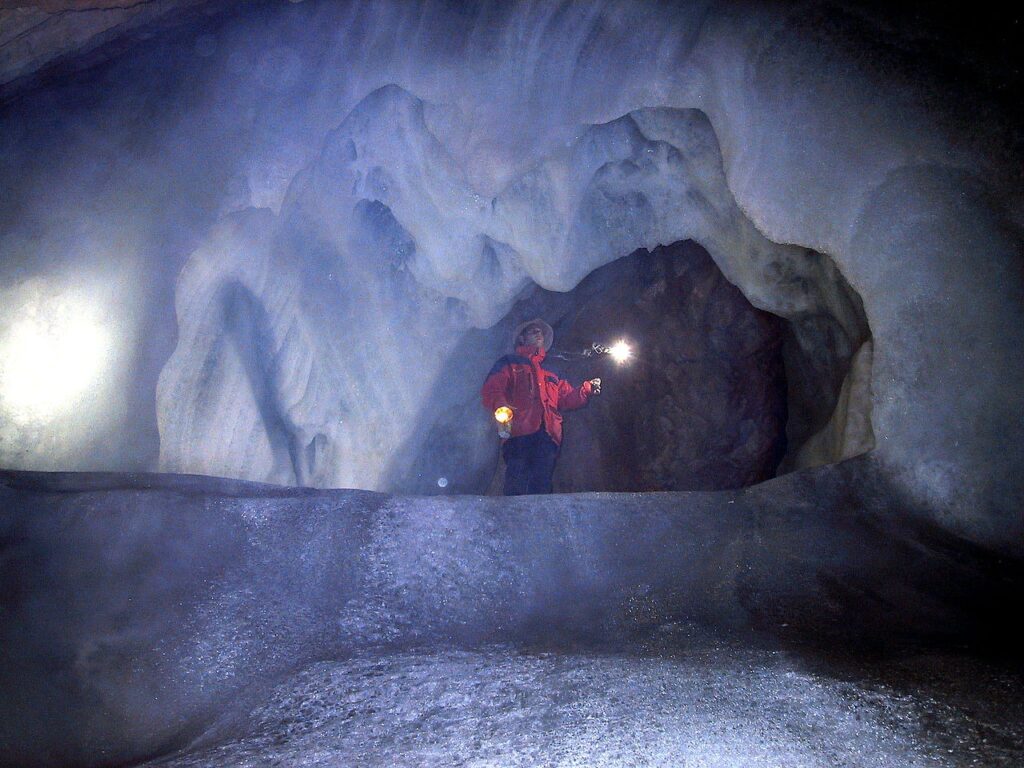
Eisriesenwelt, the “World of the Ice Giants,” spans over 40 kilometers of frozen labyrinth beneath the Austrian Alps. This sprawling network presents a spectacle of immense ice sculptures merged with limestone formations, creating a subterranean winter wonderland.
The complex layout still holds mysteries, with explorers mapping new passageways and chambers. Special ecosystems have adapted to these unique conditions, flourishing in darkness where breathtaking halls of crystalline art remain frozen year-round despite outside seasonal changes. It’s like Mother Nature’s walk-in freezer, preserving ice sculptures that would make even the most skilled bartender jealous.
10. Bermuda Triangle
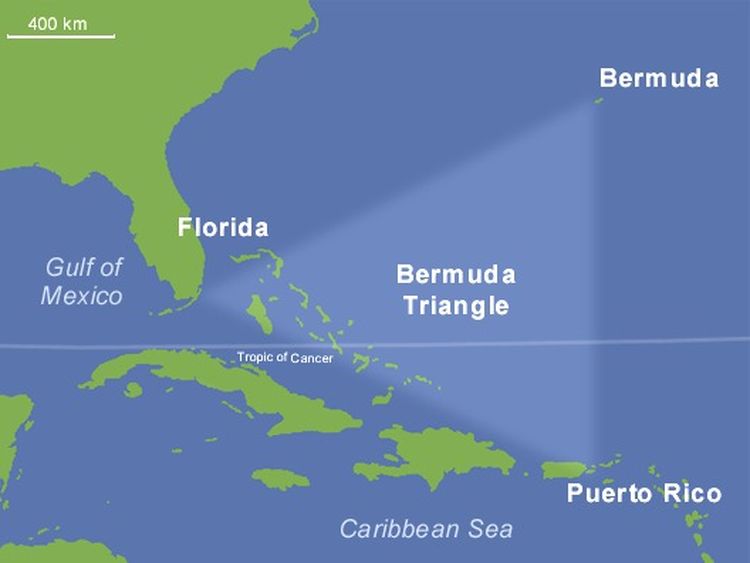
The area stretching from Miami to Bermuda and San Juan remains infamous for unexplained disappearances of ships and aircraft. This region has captivated the public imagination for decades, fueling countless theories about its mysterious nature (Bermuda Triangle).
Competing theories suggest magnetic anomalies interfere with navigation, while others propose unusual natural phenomena. Modern satellite imagery and advanced radar systems show no unusual activity, with accident rates actually no higher than comparable regions of ocean with similar traffic and weather conditions. Perhaps the Triangle’s greatest feat is making its reputation disappear more effectively than any of the ships within its borders.
9. Devil’s Kettle
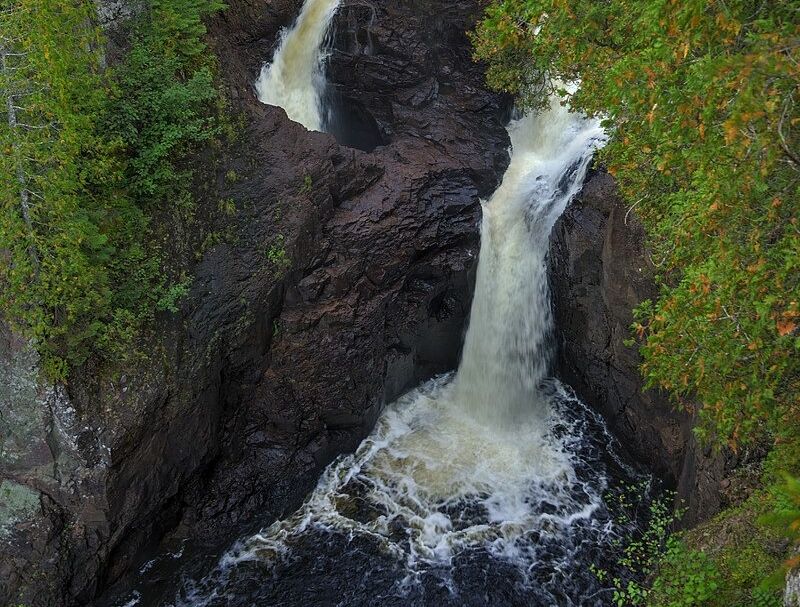
In Minnesota’s Judge C.R. Magny State Park, the Brule River performs an intriguing split. The river divides with one branch continuing normally, while the other plunges into a deep, circular hole called the Devil’s Kettle.
For years, this waterfall baffled scientists until recent dye tests and flow measurements provided answers. The water doesn’t vanish mysteriously—it rejoins the river downstream through subterranean passages. Though the exact path remains hidden from view, the mystery of the disappearing water has largely been solved. It’s less “portal to another dimension” and more “nature’s version of ducking out of a party only to reappear at the after-hours spot.”
8. Rainbow Mountain
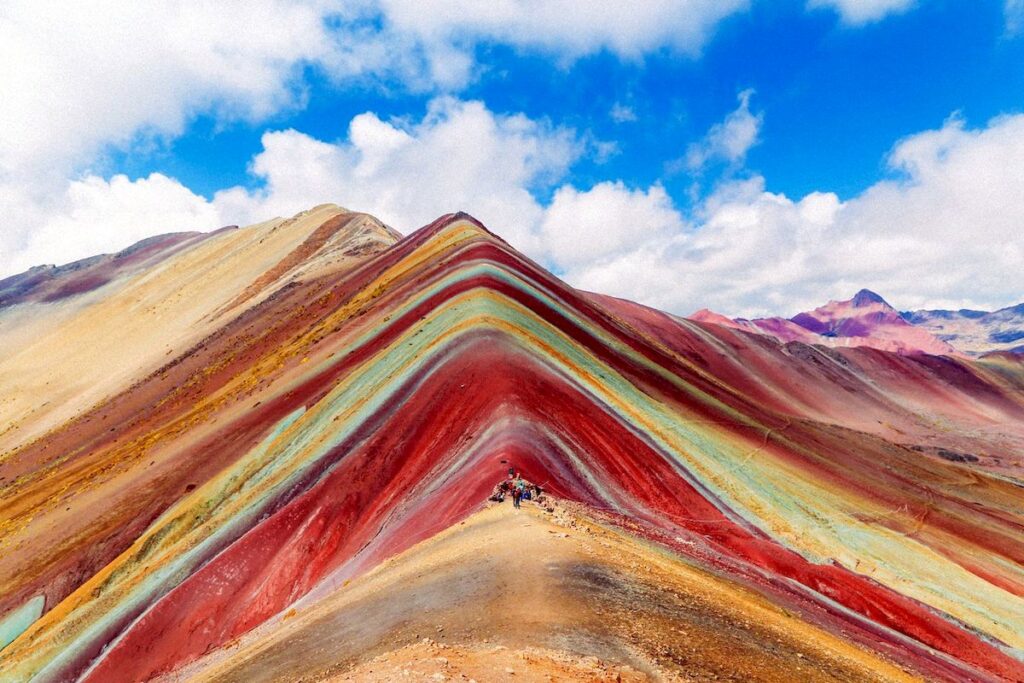
Located in the Peruvian Andes, this geological marvel bursts with striking reds, yellows, greens, and purples across its slopes. Over millennia, tectonic activity and weathering have created these vibrant mineral layers, transforming a mountain into a natural painting.
These exposed layers contain rocks rich in diverse minerals—iron oxides paint rusty reds, while chlorite creates vibrant greens. The mountain holds immense cultural significance for local Andean communities, whose ancient traditions and ceremonies tie closely to its colored peaks.
7. Zone of Silence
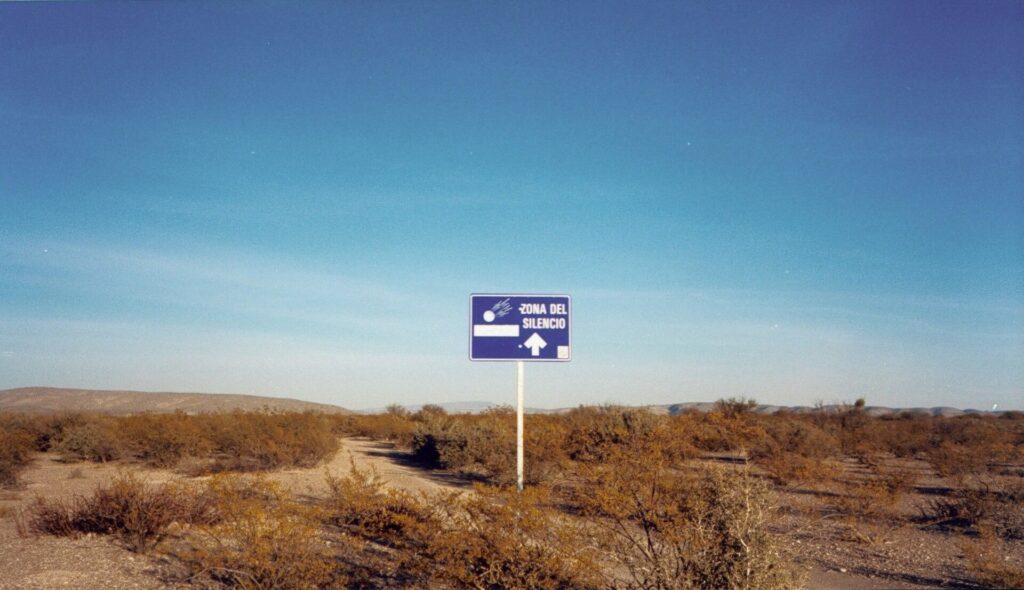
Located in northern Mexico, this mysterious area spans approximately 50 kilometers where radio signals often disappear and compass needles reportedly behave erratically. Electronic devices frequently malfunction without apparent cause, creating eerie tech dead zones in this remote desert region.
While local legends speak of paranormal forces, geologists suggest the area’s unique mineral composition might affect electromagnetic waves. Though many claims remain scientifically unverified, the Zone continues to draw researchers and curiosity seekers alike to its isolated expanses.
6. Magnetic Hill
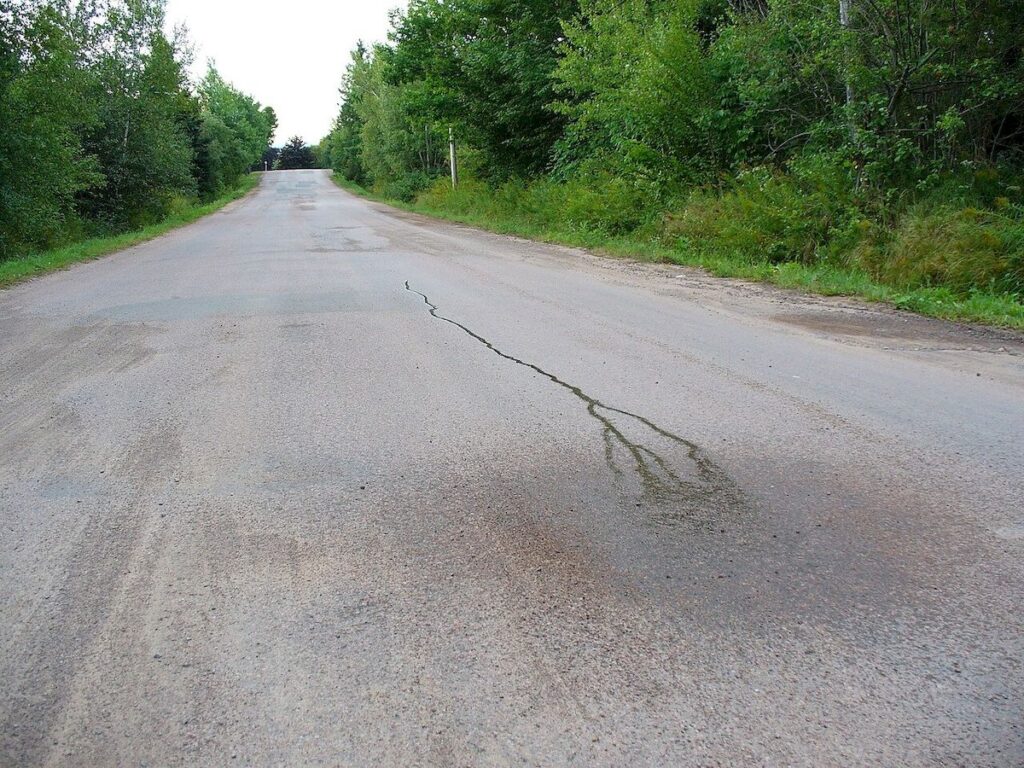
In Moncton, New Brunswick, Canada, Magnetic Hill, cars appear to roll uphill in neutral, creating an illusion so convincing that visitors return repeatedly to experience it. In reality, the landscape creates a convincing optical illusion where a subtle downhill slope gets expertly disguised by the surrounding terrain.
This visual trick fools the brain into perceiving an upward incline, demonstrating how easily our senses can be deceived. Similar phenomena exist worldwide from Scotland to Australia, all relying on the same deceptive interplay of perspective and perception. It’s the only place where your car can seemingly defy physics while your credit card still obeys the downward pull of souvenir shop gravity….
5. Devil’s Pool
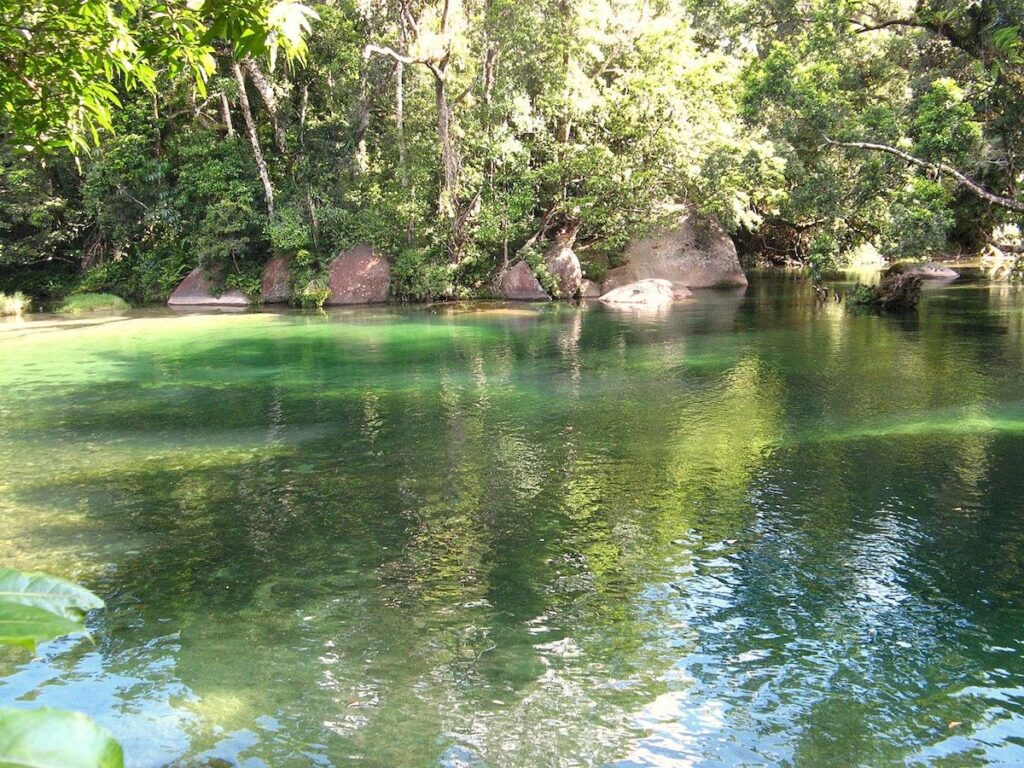
Found amidst the Babinda Boulders of Queensland, Australia, this deep, still pool creates an illusion of bottomlessness. Its tranquil appearance conceals dangerous undercurrents that have claimed over twenty lives since the 1950s, earning it a sinister reputation.
Local Aboriginal legends paint a darker picture, steeped in stories of heartbreak and spiritual presence. The site serves as a poignant reminder of nature’s dual nature—breathtaking beauty paired with hidden danger—and stands as a cultural focal point for indigenous storytelling and warning.
4. Mount Roraima
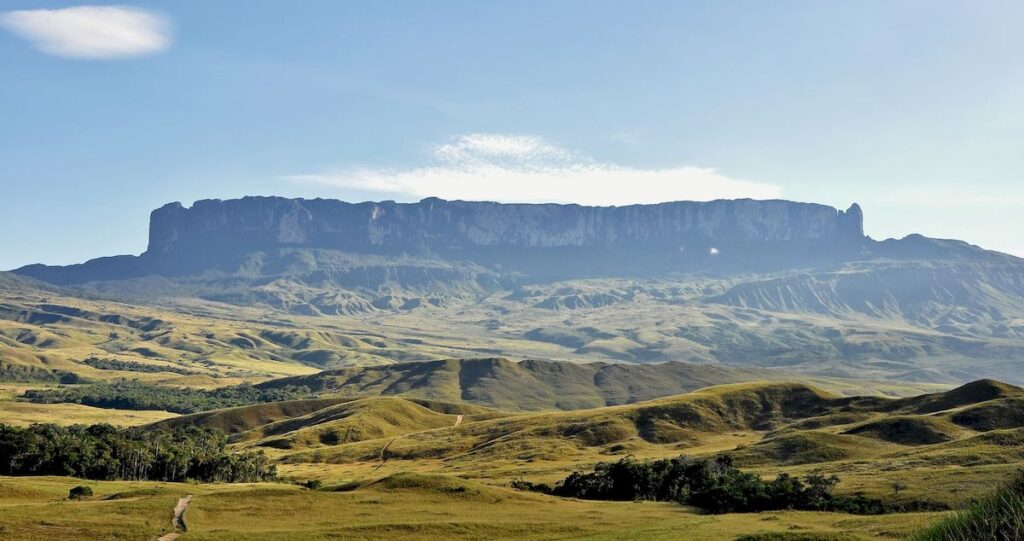
Rising dramatically from the jungle with sheer cliffs on all sides, this 31 square kilometer flat-topped mountain straddles the borders of Venezuela, Brazil, and Guyana. At over 2,800 meters high, its summit feels like an island in the sky, isolated from the world below.
The flat summit hosts a remarkable ecosystem with plants and animals once thought to be completely isolated. Recent studies show some species migration between tepuis, though many remain endemic. The otherworldly landscape inspired Arthur Conan Doyle’s “The Lost World” and continues to feel like stepping onto another planet.
3. Boiling River of the Amazon
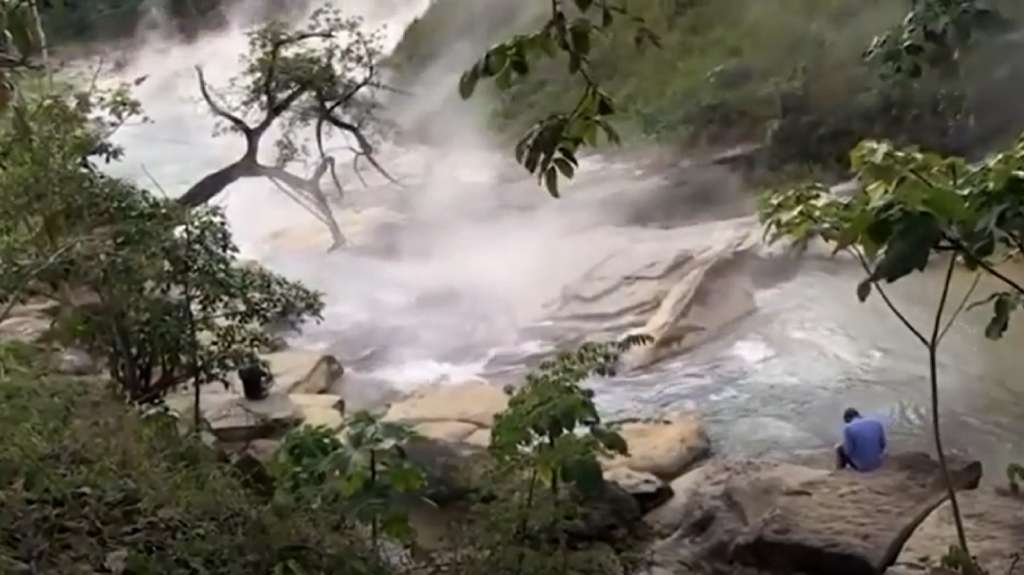
Deep in the Peruvian Amazon flows a river so hot it can cook any creature unfortunate enough to fall in. Temperatures soar to about 200°F (93°C), creating a steaming waterway that winds through the lush rainforest in stark contrast to its cool surroundings.
The geothermal activity deep beneath the surface heats the waters, yet the river’s true origin remains mysterious, as there are no active volcanoes nearby. Some unique lifeforms have adapted to the river’s heat, creating a specialized ecosystem that thrives where most would perish.
2. Sargasso Sea
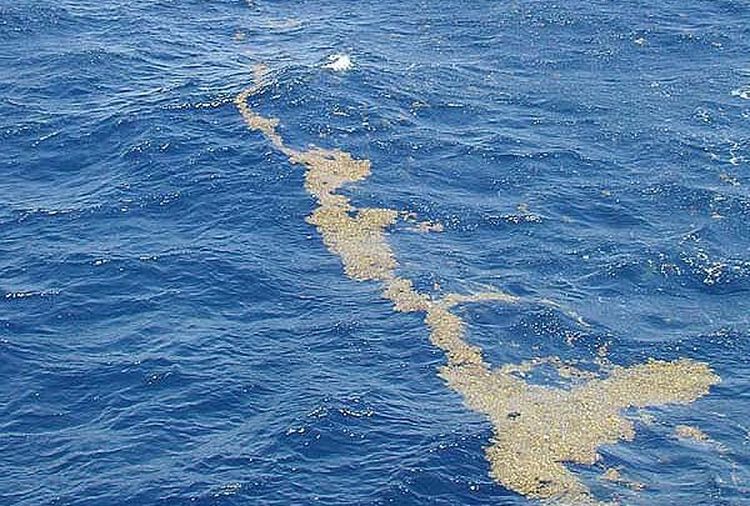
Unlike any other sea on Earth, the Sargasso Sea has no land boundaries. Instead, it’s defined entirely by ocean currents: the Gulf Stream, North Atlantic Current, Canary Current, and North Atlantic Equatorial Current encircle this calm region in the middle of the Atlantic Ocean.
Large mats of Sargassum seaweed float on its surface, forming a unique habitat for diverse marine life. Species such as sea turtles, eels, and various fish thrive within these floating ecosystems, creating an oasis of life in the open ocean that challenges our very definition of place.
1. Great Blue Hole
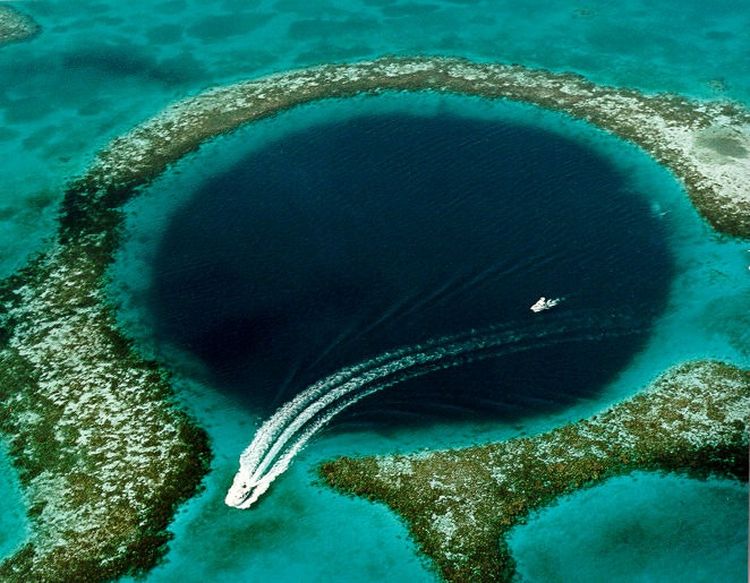
Off the coast of Belize sits a perfectly circular sinkhole over 300 meters wide and 120 meters deep. This massive underwater cave formed during past ice ages when sea levels were much lower, creating a cavern that later flooded as waters rose.
The deep blue color contrasts sharply with the surrounding turquoise waters, creating one of the most visually striking formations on our planet. Divers explore its depths, encountering unique marine life and geological formations that stand as a monument to Earth’s ever-changing history.