

Thirty-seven-point-one million trips. That’s not a rounding error — that’s Amtrak’s fiscal 2026 ridership, a 7.4% jump over the prior year and the railroad’s third consecutive annual record. For a system that has long struggled to shed its underdog reputation, three straight records deserve serious attention.
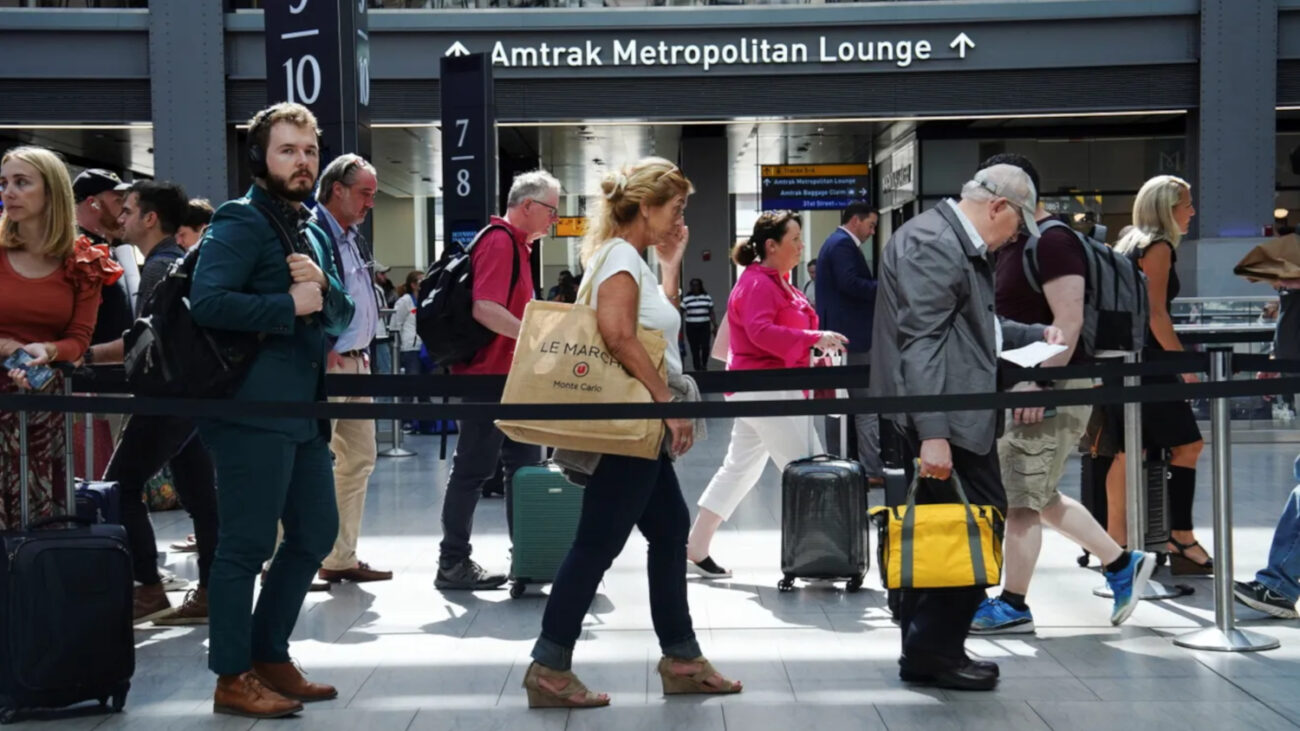
Amtrak interim President Byl Herrmann told Reuters that higher gas and airline prices likely nudged some travelers toward trains. That’s Amtrak’s own assessment — the railroad has not quantified exactly how much fuel or airfare costs contributed to the shift. The correlation is visible; the causation remains unproven. What is clear is that more Americans are choosing rail, and the numbers behind that choice are worth unpacking. Part of rail’s appeal may also stem from growing friction at airport security, which has made flying feel more cumbersome for many travelers.
When Flying Gets Expensive, the Rails Start Looking Better
Rising travel costs may be reshaping how Americans weigh their options — and Amtrak’s revenue figures suggest the shift is more than casual curiosity.
Operating revenue climbed 4.9% to roughly $4.1 billion for the fiscal year ending Sept. 30 — growth that reflects more trips taken, not necessarily higher individual fares. Meanwhile, airlines have been quietly making free flight perks harder to earn, adding to the sense that flying is becoming both costlier and less rewarding. The figures worth knowing:
- 37.1 million customer trips in the 12 months ending Sept. 30 — third consecutive annual record
- Revenue up 4.9% to approximately $4.1 billion
- Acela’s New York–Washington target: approximately 2.5 hours by 2028, down from roughly three — conditional on regulatory approval for higher operating speeds and a reduction in stops
- New trainsets on order to replace aging equipment, some of which has been in service for more than 40 years, according to Reuters
- Approximately $2.4 billion in annual federal funding, plus $22 billion authorized over five years under 2021 legislation, per Reuters reporting
Herrmann credited Northeast Corridor reliability improvements with helping attract riders — an attributed assessment, not independently verified causation. He also made the case for multi-year funding commitments, arguing that procuring trains and rebuilding infrastructure rarely fits inside a single fiscal year’s budget cycle. The 2028 Acela timeline is a target, not a confirmed schedule. Treat it as a milestone to track, not a timetable to book around.
What This Means If You’re Actually Planning a Trip
Rail’s practical advantages — city-center arrivals, no security lines, no rental cars — are real, even if they vary by route.
Many Amtrak stations place travelers closer to urban cores than most regional airports do, which matters when the destination itself is the point. For culinary travelers, arriving downtown rather than in an outlying area can mean stepping off the train and directly into the neighborhoods — the markets, the restaurants, the blocks that give a city its flavor. Travelers headed to the capital, for instance, might find D.C.’s October restaurant scene well worth the trip. That advantage is route-dependent, but on corridors where it holds, it is meaningful.
Whether Amtrak sustains this momentum depends on more than ridership counts. Watch for newer equipment entering service and whether that conditional 2028 Acela schedule clears its regulatory hurdles. Those two developments, more than any single record year, will signal what American passenger rail is genuinely becoming.