


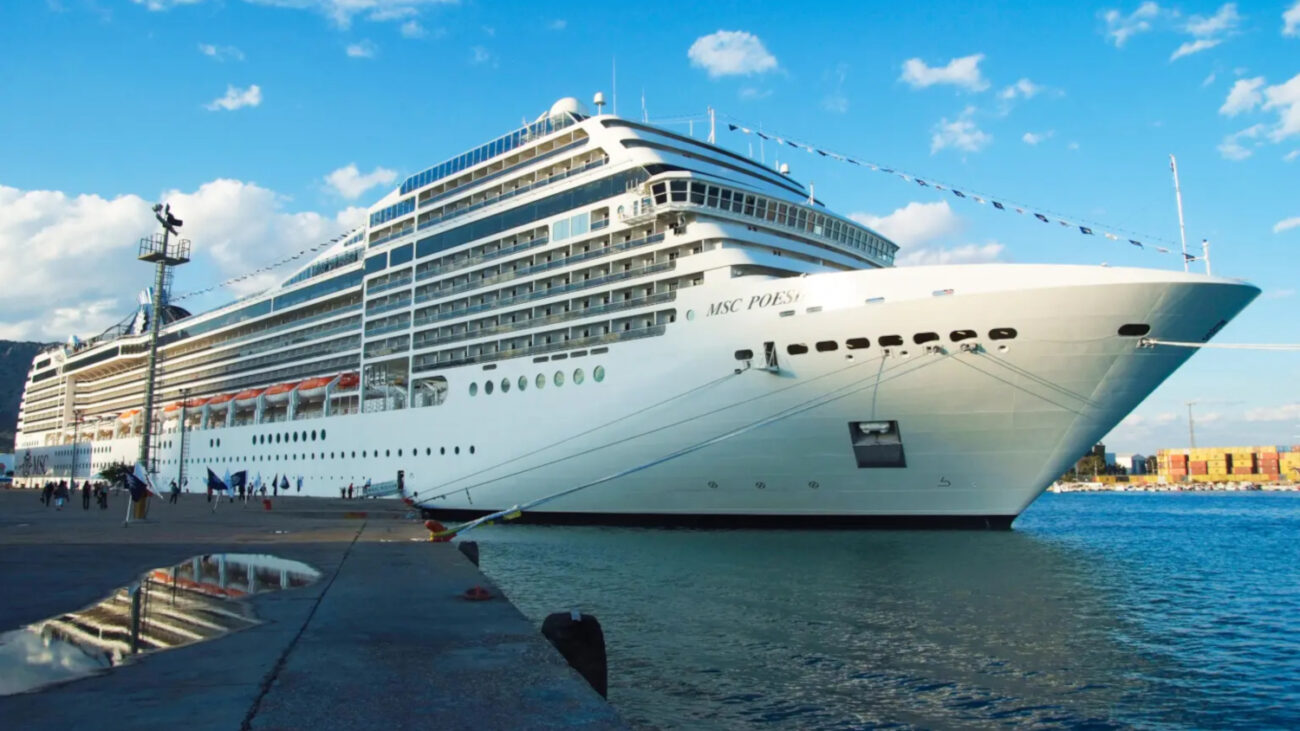
Luggage tagged, passports out, eleven nights through Jamaica, Colombia, Panama, Costa Rica, Honduras, and Belize waiting on the other side — then nothing moves. More than 2,000 passengers were aboard or waiting at PortMiami on November 1 while U.S. Coast Guard inspectors worked through the MSC Cruises vessel during an expanded Port State Control examination. By the time MSC Cruises confirmed the voyage was canceled, the ship still hadn’t cleared inspection — and under the terms of its detention, it could not depart until it did.
What a Coast Guard Detention Actually Means
A detention is a federal hold that prevents a vessel from departing until identified deficiencies are corrected and clearance is granted.
Foreign-flagged cruise ships calling at U.S. ports fall under Coast Guard Port State Control authority. When inspectors identify significant noncompliance — across safety, security, environmental, or international standards — the vessel stays put.
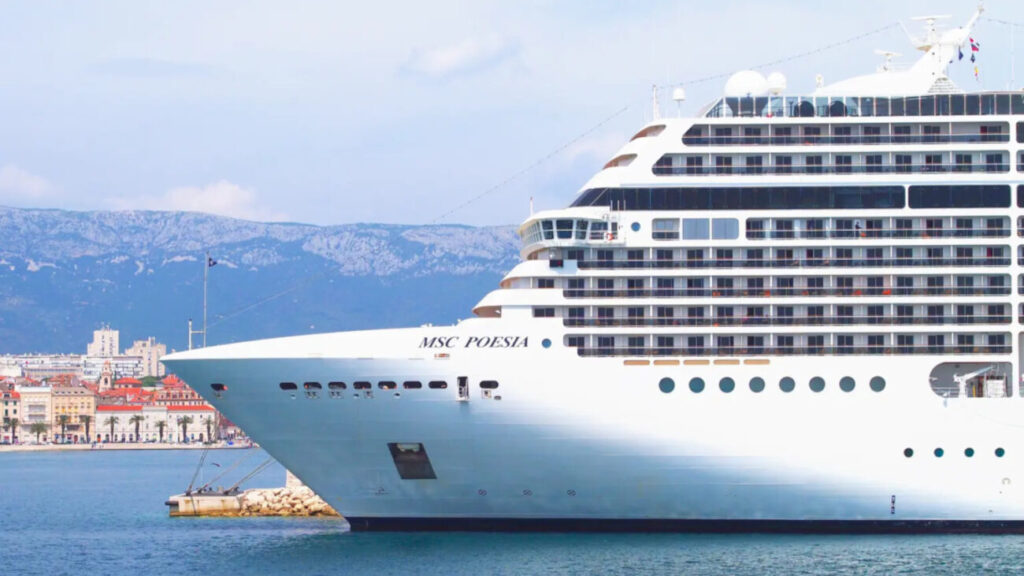
Capt. Frank Florio, commander of Coast Guard Sector Miami, confirmed that inspectors had identified deficiencies involving systems aboard Poesia and were working with MSC to resolve them, according to the Coast Guard’s November 3 press release. The specifics of the ongoing examination were not disclosed publicly. MSC characterized the situation as a regulatory matter it could not resolve before departure — and that is the full extent of what either party has confirmed in reviewed public statements.
What Affected Passengers Were Offered
MSC’s reported compensation package covers the headline losses, though eligibility conditions apply to several items.
- Full refund of the original cruise fare
- Future cruise credit equal to 100% of the original fare (eligibility conditions and redemption deadlines may apply — verify against your individual cancellation notice)
- Reimbursement for eligible prepaid cruise-related purchases, such as beverage, dining, internet, and shore-excursion packages
- Support with the journey home, as confirmed by MSC
- Reimbursement for certain qualifying transportation and accommodation expenses, as reported by cruise industry outlets
If you were booked on this sailing, the secondary losses — replacement flights, last-minute hotels, prepaid excursions, vacation days that cannot be reclaimed — can sting well beyond the base fare. Legal analysts familiar with cruise-line contracts note that passengers may pursue individual claims for additional losses, but cruise-line passenger contracts typically restrict class-action options. Any potential recovery depends on your specific ticket contract, documented expenses, and applicable law — treat that guidance as general information rather than legal advice, and note that contracts may also include notice deadlines and arbitration clauses.
Before You File for Reimbursement
Documentation is everything — start building your paper trail now.
Get written confirmation of your refund and any credits from MSC. Save every receipt for replacement travel and lodging, since reimbursement claims are subject to review and eligibility requirements. Read your MSC booking conditions carefully — they may contain deadlines and limitations that affect what you can recover before pursuing any additional claims. The detention process operated as the regulatory framework intends, preventing the vessel from departing until clearance could be granted. That may be cold comfort when an eleven-night Caribbean voyage becomes an unplanned Miami afternoon.