

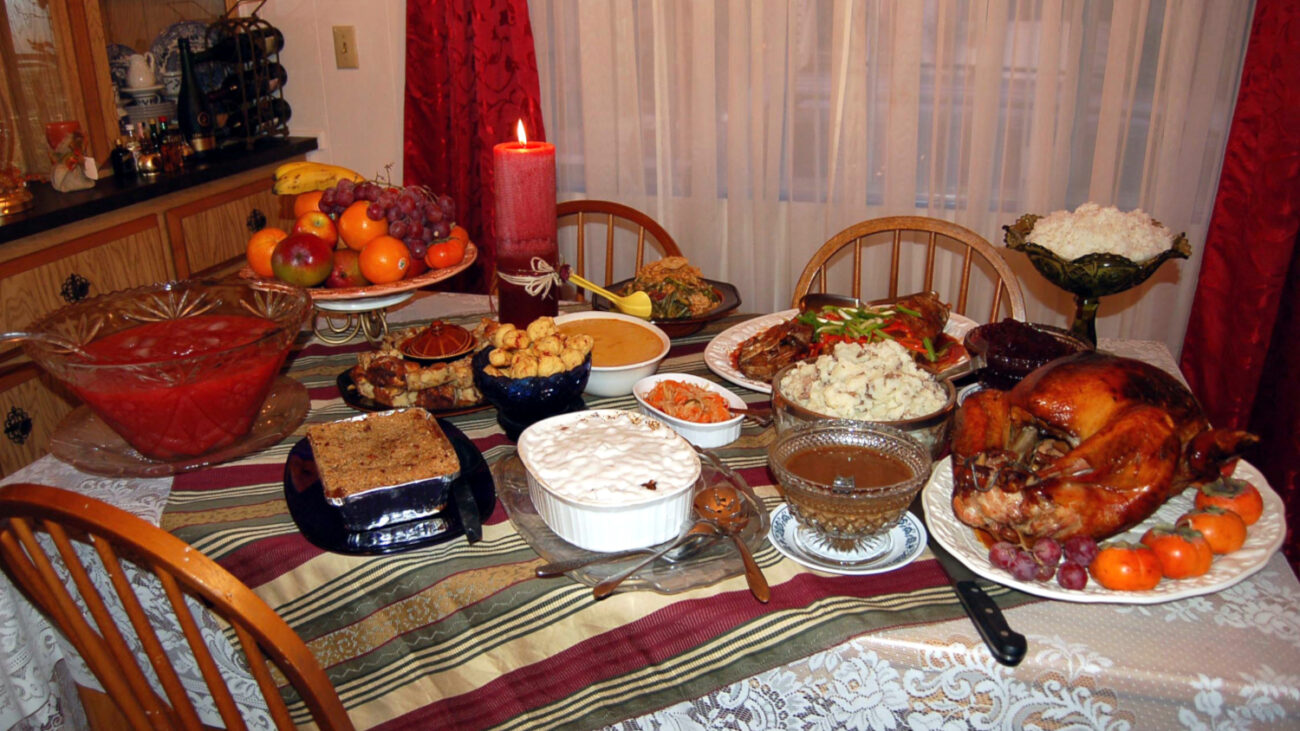
One state’s Thanksgiving table fits an entire ecosystem inside it — shrimp, crawfish, oysters, rice, pork, and somewhere underneath it all, a turkey. Louisiana doesn’t reinvent the holiday so much as absorb it whole, then serve it back seasoned beyond recognition. If you’re visiting a Louisiana family this November, or simply curious what the state’s food culture looks like when it’s feeling festive, these seven dishes are your orientation. No single Louisiana family serves all seven. Consider this a field guide, not a fixed menu. For a broader look at New Orleans dishes that define the region, the culinary story runs deep.
When the Squash Is the Star: Mirlitons, Oysters, and the Rice That Replaced Mashed Potatoes
Three of Louisiana’s most distinctive Thanksgiving sides reveal just how far regional cooking diverges from the national holiday template.
Stuffed mirlitons alone could derail a first-timer. Mirliton — Louisiana’s name for chayote, a mild green pear-shaped squash — gets hollowed out, combined with shrimp, crabmeat, or ground meat, assertively seasoned, and baked back in its own shell. It’s a technique that treats humble produce like it deserves the main stage.
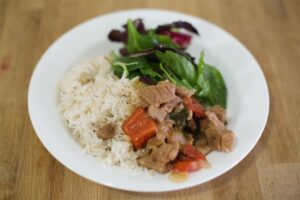
Alongside it, some families serve oyster dressing — oysters folded into bread, butter, herbs, and aromatics — a preparation especially associated with New Orleans and Central Louisiana, though its popularity varies from household to household. And where many American tables default to mashed potatoes, some Louisiana households pour a deeply seasoned meat gravy over white rice instead. That rice and gravy isn’t a side note. It’s the point.
Here’s what else might appear:
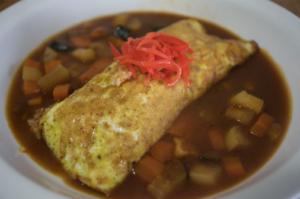
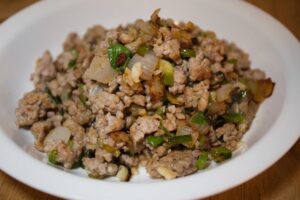
- Rice dressing: cooked rice with ground meat, onions, bell peppers, celery, and Cajun seasoning — sometimes including chicken livers or giblets; overlaps with what some New Orleans families call dirty rice, though the terms aren’t interchangeable in every household
- Crawfish dressing: cornbread dressing with crawfish tails — a classic Louisiana move of folding freshwater seafood into something that elsewhere stays firmly landlocked
- Boudin-stuffed turkey: boudin (a Louisiana sausage made with rice, pork, and aromatics) used as a turkey stuffing; specialty shops extend the concept with jambalaya-style variations featuring dark roux-inspired seasoning techniques
Three Birds, One Legend: The Turducken Story Louisiana Already Knew
Turducken’s journey from regional curiosity to national phenomenon says as much about timing and television as it does about cooking.
Then there’s turducken — a deboned chicken stuffed inside a deboned duck, placed inside a deboned turkey, with seasoned dressing layered between each bird. Some Louisiana chefs, butchers, and specialty-meat businesses knew the dish long before it went national. Its precise origin reportedly remains disputed, with competing accounts involving chef Paul Prudhomme and Acadiana meat-market families.
What is documented: at the December 1, 1996 Saints-Rams game in New Orleans, broadcaster John Madden encountered the dish through butcher Glenn Mistich. Madden — known for enthusiastic, freewheeling on-air tangents — started talking about it during the broadcast, then kept talking about it in the seasons that followed. What had been a regional specialty became a recurring fixture of American football-season food culture, proof that the right person eating the right thing at the right moment can reshape what a whole country thinks holiday cooking looks like.
Read the Table Before You Eat It
The most rewarding way to experience a Louisiana Thanksgiving is to ask questions before picking up a fork.
Whatever ends up in front of you, ask what’s in it. The mirliton filling can vary by family and region. The rice dressing might carry organ meat or skip it entirely. Boudin varies by shop. These dishes aren’t just food — they’re a signal about where a family comes from and what they’ve kept close. That context is worth tasting too.