

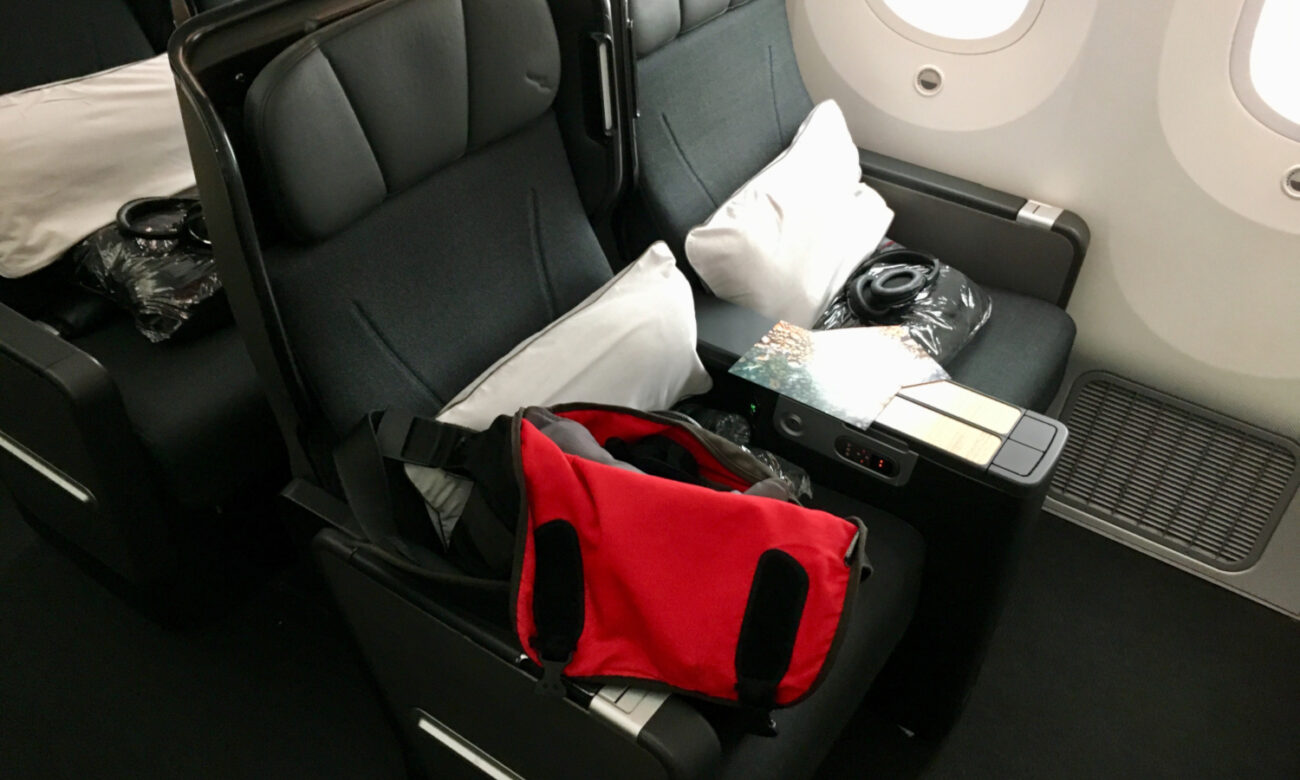
Nearly 17 hours in economy, and something is biting you. Not turbulence. Not a cramped seat. Something reportedly living in the seat itself. That was the experience for passengers on a Qantas Boeing 787 Dreamliner operating from Perth to Rome, according to BBC and Sydney Morning Herald reporting. Qantas subsequently cancelled the aircraft’s return service from Rome to Perth on Saturday, pulling the plane for a deep clean. Separate reports have also linked bedbug discoveries to Southeastern train service cancellations in England, with insects found in drivers’ cabs — two incidents that suggest pest disruption is no longer confined to hotels and hostels.
What Happened Mid-Air – and After
The sequence unfolded across nearly 17 hours in the air, with Qantas moving to cancel the return flight and arrange alternative travel for all affected passengers.
Passengers reportedly received antihistamines during the flight to relieve the itching. According to the Sydney Morning Herald, those supplies ran out before landing. Qantas said the issue was identified in a small number of economy seats. The airline pulled the aircraft, deployed engineers and maintenance teams for a deep clean, arranged accommodation for affected travelers, and rebooked all affected customers within 48 hours of their original departure. Qantas “sincerely apologised” to customers for the cancellation, according to BBC reporting.
Key facts from the incident:
Per NHS guidance, bedbug bites are raised, itchy, and often appear in lines or clusters. They typically clear on their own within about a week, and generally do not cause serious health problems — though scratching can lead to infection, and anyone experiencing severe reactions or spreading swelling should seek medical advice. The more immediate practical concern is what travels home with you. Bedbugs hide in seat seams, luggage, and clothing, making prevention after exposure the priority.
What to Do If You Were on That Flight
NHS guidance offers clear, actionable steps to reduce the risk of carrying insects home after potential exposure.
Act before unpacking. NHS guidance recommends:
- Wash potentially affected travel clothing and bedding at 60°C and tumble-dry on a hot setting for at least 30 minutes
- Place items that cannot be washed in a sealed plastic bag and freeze for approximately three to four days
- Inspect luggage carefully — seams, pockets, and corners are common hiding spots
- Treat bites with a cool, damp cloth to reduce itching and swelling; a pharmacist can advise on antihistamines or mild hydrocortisone cream where appropriate
- If symptoms worsen or show signs of infection, see a doctor
The goal is preventing an aircraft cabin problem from becoming a bedroom infestation.
Qantas has moved to deep-clean the aircraft and investigate how the issue arose. The broader question — how insects come to be reported in long-haul commercial aircraft seating — is one the wider aviation industry will need to examine carefully before the next 17-hour departure.