

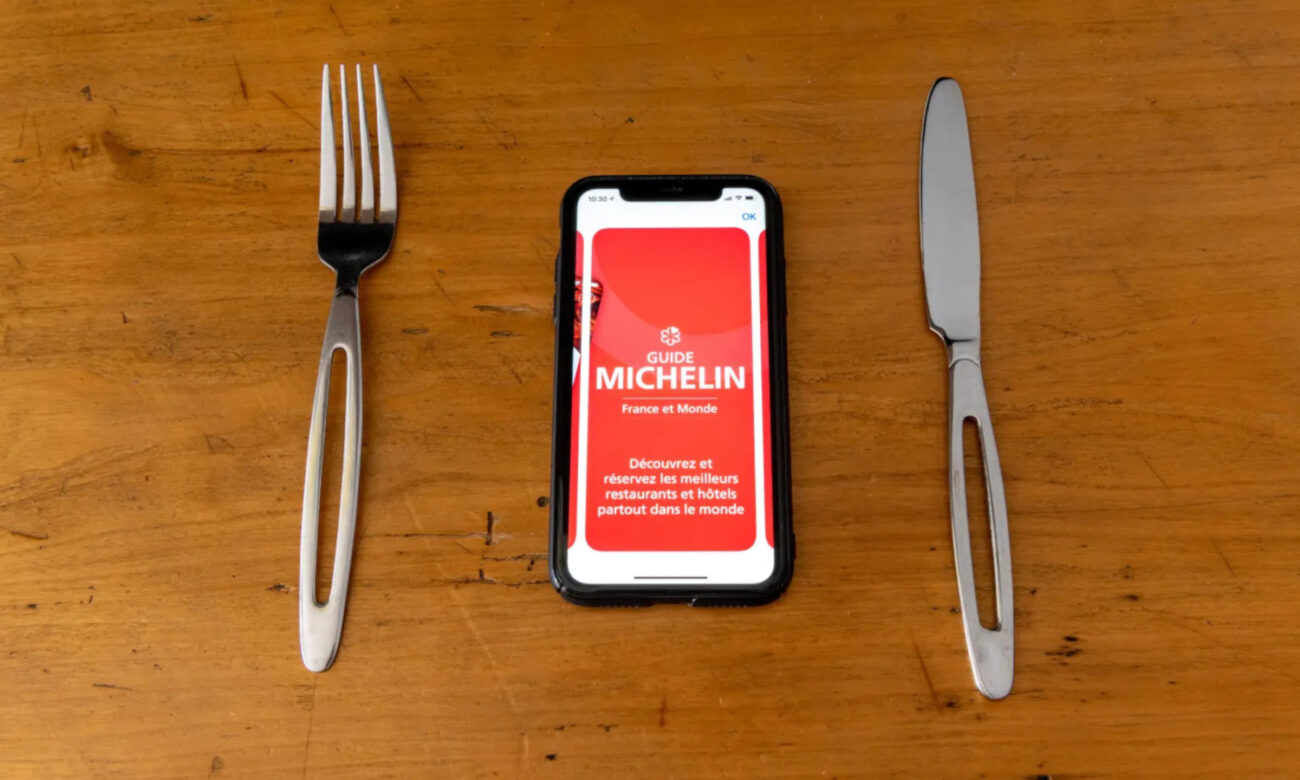
A brand built on anonymous inspectors, firsthand meals, and hard-won culinary judgment is now facing an uncomfortable question: did a language model write its words?
D Magazine reported October 16 that six Dallas-area restaurant descriptions in Michelin’s newly published 2026 Texas Guide — including entries for Fond, Jashan, Mābo, Olōyō, Resident Taqueria, and Sushi Kozy — show patterns consistent with AI-generated prose. The allegation targets the copy, not the inspections. No evidence has been reported suggesting Michelin’s stars were assigned by algorithm or that inspectors skipped visits. The dispute is about the sentences. That distinction matters, but it doesn’t make the situation comfortable.
How the Investigation Surfaced – and What It Found
The allegation began with a single questioned entry and grew into a pattern that analysts say is difficult to dismiss.
A local chef raised the first flag, questioning whether a rewritten Sushi Kozy entry had been machine-produced. D Magazine dining critic Brian Reinhart then examined all six descriptions using Pangram, an AI detection tool, and consulted Carnegie Mellon University professors Alex Reinhart and David Brown. Pangram flagged one passage as entirely AI-generated and identified roughly 80% of sentences across all six entries as potentially machine-written. The academics reportedly found stylistic and grammatical patterns consistent with GPT-4o or a related model — a finding that indicates probability, not confirmed authorship.
Detection scores are investigative signals, not verdicts. Corroboration through drafts, version histories, or editorial records would be required before any conclusion about authorship could be considered established.
Here’s what the reporting confirmed:
- What was examined: Six Dallas-area restaurant descriptions from Michelin’s 2026 Texas Guide
- What Pangram found: Approximately 80% of sentences flagged as potentially AI-generated across all six entries
- What academics found: Stylistic patterns consistent with GPT-4o — probabilistic analysis, not confirmed authorship
- What Michelin said: “AI is not used in the writing of these reviews“; descriptions derive from firsthand inspector dining experiences
- What remains unresolved: No evidence that inspections were skipped or star ratings were AI-influenced
Why the Words Themselves Carry Real Stakes
When the prose attached to a prestige rating feels generic, the credibility of the entire enterprise comes into question.
D Magazine compared the disputed 2026 Dallas descriptions against earlier Dallas guides and entries from Austin, Houston, San Antonio, and international locations. The AI-associated patterns appeared only in the 2026 Dallas material examined — not in any of the comparison samples. The stylistic tells were hard to ignore: “serene” dining rooms, “carefully sourced” ingredients, and the logically slippery claim that “generous portions reflect the kitchen’s creativity.” It’s the editorial equivalent of stock photography — technically present, but capturing nothing real.
These restaurants earned their Michelin recognition through actual cooking, evaluated by anonymous inspectors through firsthand dining experiences. Being described in prose that may not reflect anyone’s careful observation is its own kind of problem — for the restaurants, and for readers who rely on those words to make real decisions about where to eat. For a sense of how seriously Texans take their dining culture, consider that the state’s steakhouse tradition alone commands its own devoted following.
Michelin’s denial stands, and AI authorship remains publicly unproven and contested. But the dispute has already done what these disputes do — made everyone read the sentences twice. For restaurants that earned recognition through craft, that scrutiny is uncomfortable no matter whose hands were on the keyboard.