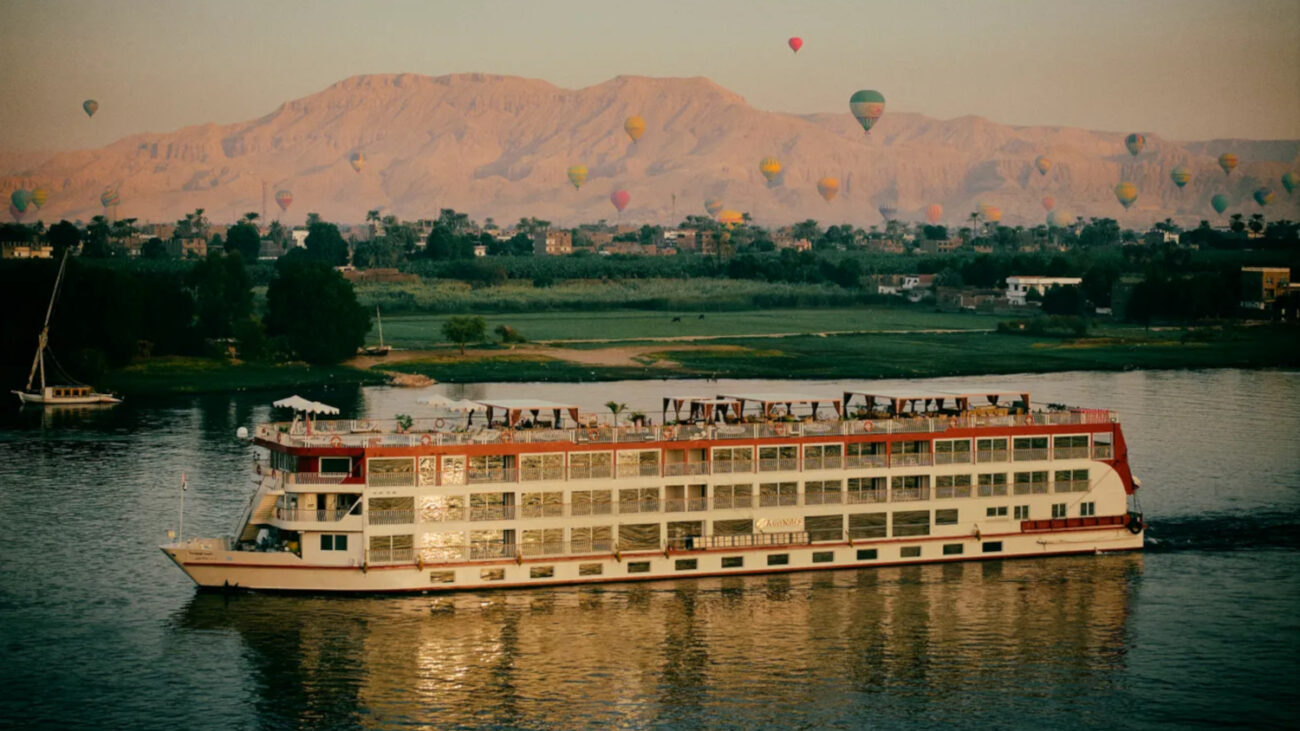


The places you most want to visit are often the ones quietly straining under the weight of that desire. Fodor’s annual No List is not a travel ban — it is a warning about how concentrated visitor demand can undermine the very qualities that make a destination worth visiting. For 2027, the travel publisher flags eight destinations where tourism is placing significant pressure on housing, water, ecosystems, and the daily lives of residents: the Albanian Riviera, Amalfi Coast, Bali, Corsica, Edinburgh, Kyoto, Tanzania’s Ngorongoro Conservation Area, and Sedona, Arizona. The list is a prompt to reconsider how you show up, not whether you do.
What’s Actually Happening on the Ground
The numbers behind three of these destinations tell the story more plainly than any travel advisory.
Sedona has fewer than 10,000 permanent residents, yet absorbs millions of visitors annually — a mismatch that has contributed to traffic, housing pressure, and a growing share of homes converted to short-term rentals, reducing the supply available to local workers. Bali faces pollution, chronic water shortages, and an increasingly paved landscape whose reduced capacity to absorb heavy rainfall raises concerns about flooding and ecological degradation. Edinburgh introduced a 5% visitor levy on eligible overnight stays from July 24, 2026, covering up to five consecutive nights — a measure that may generate funds for destination management but, according to Fodor’s editorial analysis, does not necessarily reduce crowding in the historic centre.
The Pressure Points, Briefly
Five more destinations on the list face pressures that are specific, structural, and worsening.
- Albanian Riviera — rapid coastal hotel development is straining infrastructure that has not kept pace, with growing concerns about ecological damage in nature-rich areas
- Amalfi Coast — narrow roads and essential services buckle under seasonal visitor volumes during peak periods
- Corsica — second homes sit vacant for much of the year while seasonal demand strains water supplies and inflates housing costs for residents
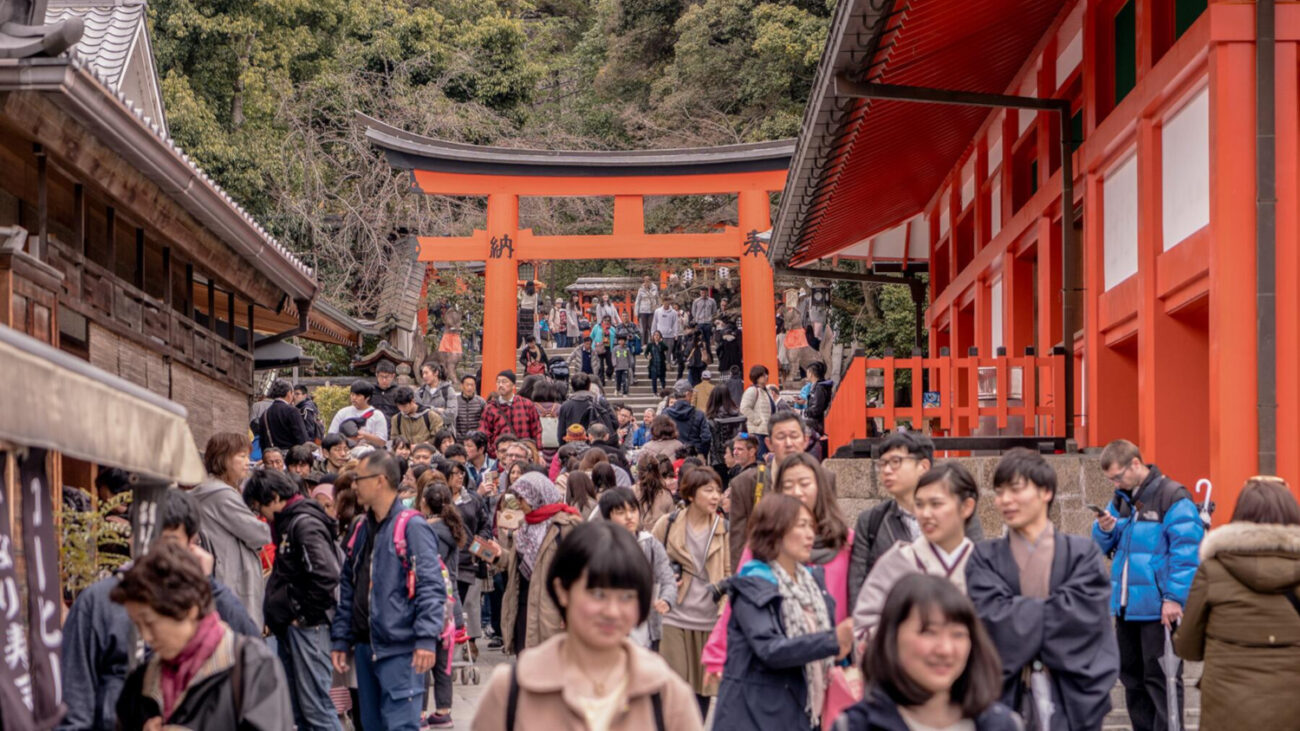
- Kyoto — congestion and visitor behaviour have disrupted daily life enough to prompt restrictions in popular neighbourhoods, with ongoing concerns about visitors entering private spaces without permission
- Ngorongoro Conservation Area — safari tourism growth is placing simultaneous pressure on wildlife movement, fragile ecosystems, and Maasai community livelihoods
Fodor’s is not arguing these places have lost their value. Rather, its position is that unmanaged, concentrated tourism can undermine the exact qualities that made them worth visiting in the first place.
How to Travel Better, Not Less
Practical shifts in timing, spending, and behaviour are where individual choices can actually matter.
Albanian tourism operator Elton Caushi, quoted by Time Out, put it plainly: “Book locally-owned guesthouses… and go in the off-season if you can. It will still be gorgeous, more economical and will help make local businesses [sustainable] year-round.” That principle applies across every destination on this list. Use public transport where it exists. Spend at independent restaurants, markets, and local producers rather than concentrating money in large international operators. Consider pairing a high-demand destination with a less-visited nearby area — Lecce instead of only the Amalfi towns, or Nara alongside Kyoto — to spread both the economic benefit and the footprint.
The destinations on Fodor’s list are not the problem. Tourism policy, housing regulation, infrastructure investment, and visitor behaviour all shape outcomes together. What individual travellers can control is their timing, their spending, and their attention to the communities they are passing through — and that is worth deciding before the booking is confirmed.