

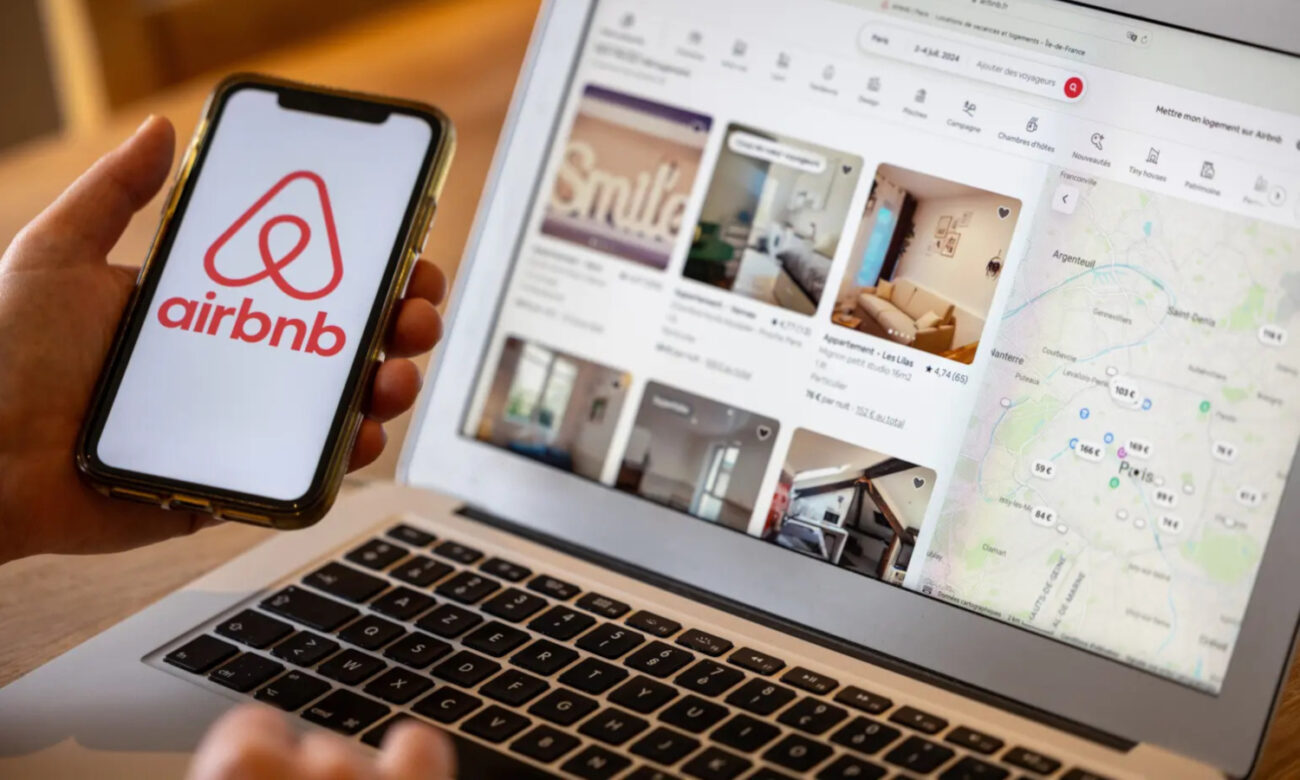
Paying a cleaning fee and then spending time stripping beds, hauling trash offsite, and washing dishes has always been a special kind of absurdity. It’s the hospitality equivalent of a restaurant charging a service fee, then handing you an apron. Starting with reservations booked on or after November 20, 2026, Airbnb is barring hosts from requiring guests to complete tasks that involve significant time or effort — or that duplicate work a professional cleaner would normally handle.
The Checkout List Gets a Hard Edit
Hosts can still ask guests to be decent humans — they just can’t run an unpaid cleaning shift.
Here’s where the line lands, according to Airbnb’s updated policy:
- Generally prohibited: washing and putting away dishes, stripping beds, taking trash offsite
- Still allowed: leaving dirty dishes in the sink, gathering used towels, sorting trash and recycling
- Disclosure required: all house rules must appear in the listing before you book — no surprise instructions via post-booking messages, handwritten signs, or in-person briefings
- Enforcement: hosts who violate the policy may face education, required listing changes, or formal warnings
Airbnb describes the standard plainly — requests must be “reasonable” and should not require “significant effort or time” or duplicate work “typically performed by a cleaner.”
Context still matters. A host in bear country can reasonably ask guests to seal rubbish in an animal-proof container. A listing in a drought region can request shorter showers. Requests are evaluated against the specific listing, type of stay, and local conditions rather than a single universal rulebook.
For hosts, the tradeoff is real. Tighter checkout restrictions may push turnover costs higher, a tension this policy redraws rather than resolves — moving the burden off guests and back onto operations where it belongs.
Check the Listing. Know the Rules. Don’t Wreck the Place.
The cleaning fee was never a blank check — now it comes with clearer boundaries on both sides.
Before booking, read the house rules section carefully. Under the new policy, everything Airbnb permits a host to require should be disclosed there. If excessive demands appear after arrival, document them and contact Airbnb directly. None of this, however, is a license to leave the place destroyed. Cleaning fees are intended to cover standard turnover — laundry, vacuuming, the basics. Responsibility for damage or conditions requiring excessive deep cleaning remains firmly with the guest.