

Somewhere between a Vermont farm stand and a Yellowstone morning — steam rising off a geyser, elk bugling in the cold — fall road trips stop being about foliage and start being about something harder to photograph. Travel + Leisure A-List advisors mapped out seven routes across every region of the contiguous United States, and the consistent thread isn’t the color of the leaves. It’s what’s on the table, around the bend, and off the beaten interstate.
The East Has the Icons. Go Anyway.
Two classic corridors deliver mountain scenery, wildlife, and some of the country’s most satisfying regional cooking.
Travel + Leisure A-List advisor Chirag Panchal skips the Boston-first instinct entirely, recommending Burlington as the entry point for Vermont Route 100 south through the Mad River Scenic Byway — farms, rivers, covered bridges, and farm-fresh apple cider donuts. Green Mountains typically peak early October, though exact timing varies by elevation. The South’s counterpart, mapped by advisor Mike Augustine, runs from Knoxville through Gatlinburg, along the 31-mile Newfound Gap Road and the 11-mile Cades Cove Loop Road — black bear country, historic farmsteads, broad valley views — then continues up the Blue Ridge Parkway toward Asheville. Fog, rain, and seasonal closures can arrive quickly; check current NPS conditions before departure.
What the Experts Recommend
Five practical anchors to orient your planning before you leave the driveway.
- Vermont Route 100 generally peaks early October; fly into Burlington rather than starting in Boston, per Panchal
- Keweenaw Peninsula turns gold and red in late September through early October; the route is remote enough that fuel and lodging require advance planning
- Yellowstone and Grand Teton offer elk activity and golden aspen generally from late September through October; NPS closes most Yellowstone roads to regular vehicles by early November
- Highway 1 from Mendocino to San Luis Obispo needs at least a week — verify current Caltrans conditions before departure, especially for the Big Sur section
- Columbia River Gorge and Hood River’s harvest season overlap: Multnomah Falls framed by turning leaves, orchard cider available the same afternoon
Desert to Mountain, Lake to Shore
The Midwest and Southwest deliver the most dramatic landscape contrasts of any fall drives in the country.
Michigan’s Keweenaw Peninsula offers a fall drive that rarely makes the national conversation. Lake Superior’s deep blue water set against fire-colored hardwoods, smoked fish, pasties, and mining-town history — starting in Houghton, continuing north through Eagle River and Eagle Harbor to Brockway Mountain Drive near Copper Harbor. Services become limited heading north, so plan fuel and lodging stops in advance.
The Southwest route shifts the geography entirely. Advisor Mary Cropper recommends starting in Las Vegas — not for the Strip, but for the desert access it provides. Valley of Fire State Park’s red-rock formations open the drive; the route then crosses the Colorado Plateau through Antelope Canyon and Monument Valley. Cropper specifically recommends a Navajo guide for cultural and geographic context before the road climbs into Colorado’s San Juan Mountains for hiking, hot springs, and high-elevation scenery.
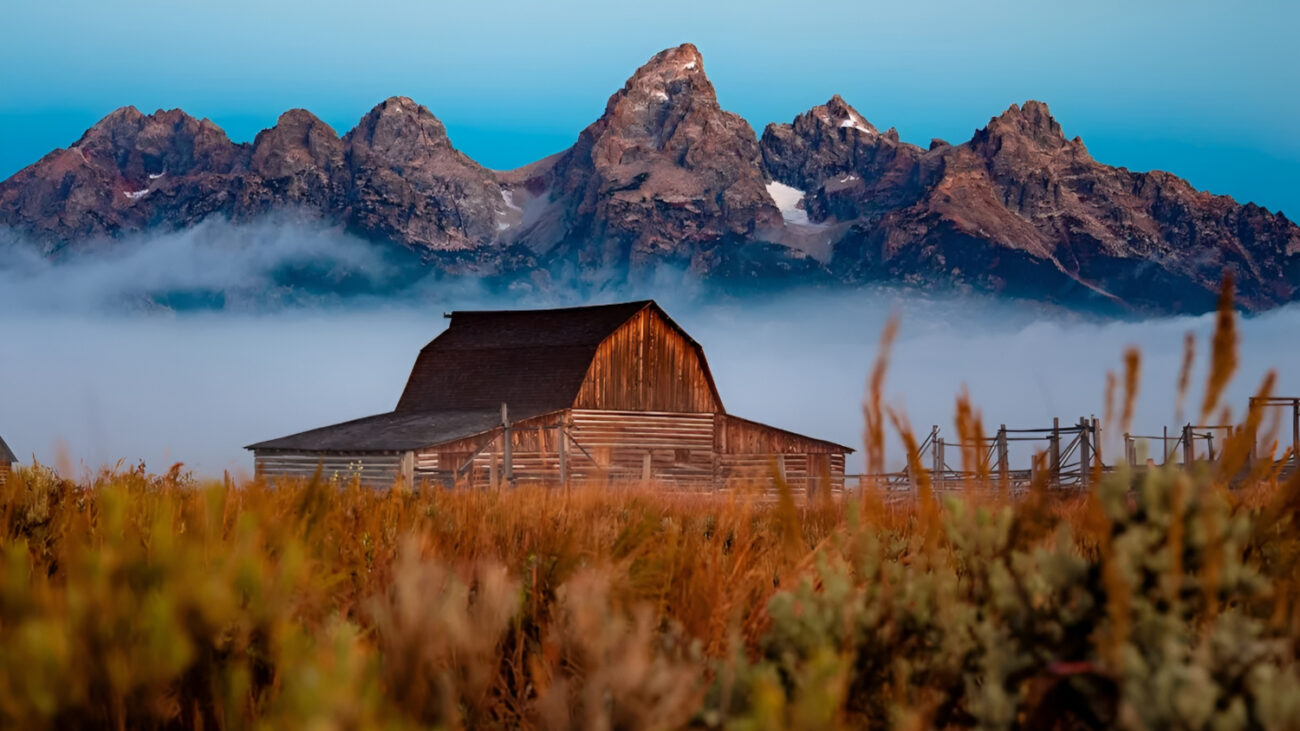
Advisors Rachel Braylovsky and Mike Augustine both recommend late September through October for Yellowstone and Grand Teton: lower summer crowds, golden cottonwoods, geyser steam that reads dramatically against cold air, and the elk rut in full effect. That window is finite — NPS closes most Yellowstone roads to regular vehicles by early November. For a real-life western dining experience to match the scenery, the region does not disappoint.
The Pacific Routes Reward Patience
Slow down on either coast and the food, scenery, and seasonal timing all come together.
Highway 1 from Mendocino south to San Luis Obispo — through Bodega Bay, the Marin Headlands, Big Sur, and a Paso Robles wine detour — requires a minimum of one week, according to Cropper. Mendocino is the quieter, more literary starting point. Coastal fog may lift earlier in the day during fall, offering clearer Pacific views than summer typically allows. Highway 1 is vulnerable to landslides and closures, so current Caltrans conditions are essential reading before departure.
Hood River, Oregon, makes a parallel case in apples, pears, and cider. The Historic Columbia River Highway Scenic Byway frames Multnomah Falls against turning leaves before the valley opens into full harvest season. Mount Hood may already be carrying its first dusting of snow by the time you arrive. Popular waterfall areas see significant congestion on fall weekends — use official parking and transit options rather than improvised roadside stops.
The Real Trip Lives in the Unplanned Stop
Every route on this list has a regional dish or farm-stand find that will outlast any photograph of orange leaves.
Each of these routes offers something edible worth remembering — a smoked fish plate on Lake Superior, a farm-stand pear in Hood River, a glass poured in a Paso Robles tasting room. These are the kinds of flavors you still crave long after the trip is over. Pick a region. Verify road conditions. Then leave room in the itinerary for the stop that wasn’t planned. That’s reliably where the best part of any fall drive is found.