

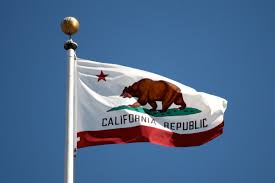
Dead phone batteries during emergencies are dangerous, but empty bank accounts while living in California’s economy pose an even deadlier threat. Starting January 1, 2026, the state’s minimum wage jumps to $16.90 per hour—a 40-cent increase that sounds modest until you realize it’s happening in a state where the living wage for a family of four hits $110,255 annually. Restaurant workers celebrating the raise face the same brutal math as their employers: in California, even $16.90 an hour barely scratches survival.
The Inflation Formula Behind Rising Labor Costs
The increase stems from a 2.49% rise in the Consumer Price Index for Urban Wage Earners and Clerical Workers between July 2024 and June 2025, according to the California Department of Finance. This formula-driven approach removes political theater from wage decisions but creates predictable annual shocks for restaurant operators.
Meanwhile, exempt managers and supervisors face their own adjustment: minimum salaries rise from $68,640 to $70,304 annually. Your head chef or floor manager now costs nearly $5,000 more per year, minimum.
Key operational changes for 2026:
- All California employers must implement $16.90 hourly minimum by January 1
- Exempt employee salary threshold increases to $70,304 annually
- Local ordinances in cities like San Francisco and Los Angeles may set even higher floors
- Payroll systems require updates before the new year
- Restaurant managers classified as exempt need salary reviews regardless of current pay levels
When Survival Meets Business Reality
California’s cost of living sits 50% above the national average, with housing costs 116% higher than other states. For restaurant workers, the wage increase offers breathing room in an economy where rent, food, and transportation devour paychecks faster than a viral TikTok disappears.
Industry stakeholders report mixed reactions to the announcement. Restaurant owners, particularly in higher-cost regions, express concern about balancing essential wage increases with operational sustainability, while workers and labor advocates emphasize the necessity of keeping pace with California’s elevated living costs.
Small operators face the tightest squeeze, while corporate chains absorb labor cost increases more easily. Since 2014, when California’s minimum wage sat at $8.00 per hour, restaurants have navigated more than a doubling of baseline labor costs while competing for increasingly price-conscious diners who remember hard times.
Cities like San Francisco and Los Angeles maintain even higher local wage floors, creating a patchwork of labor costs that varies dramatically within the state. Restaurant economics in 2026 will demand increasingly sophisticated menu pricing and operational efficiency as establishments balance worker needs with business viability in America’s most expensive dining market.