

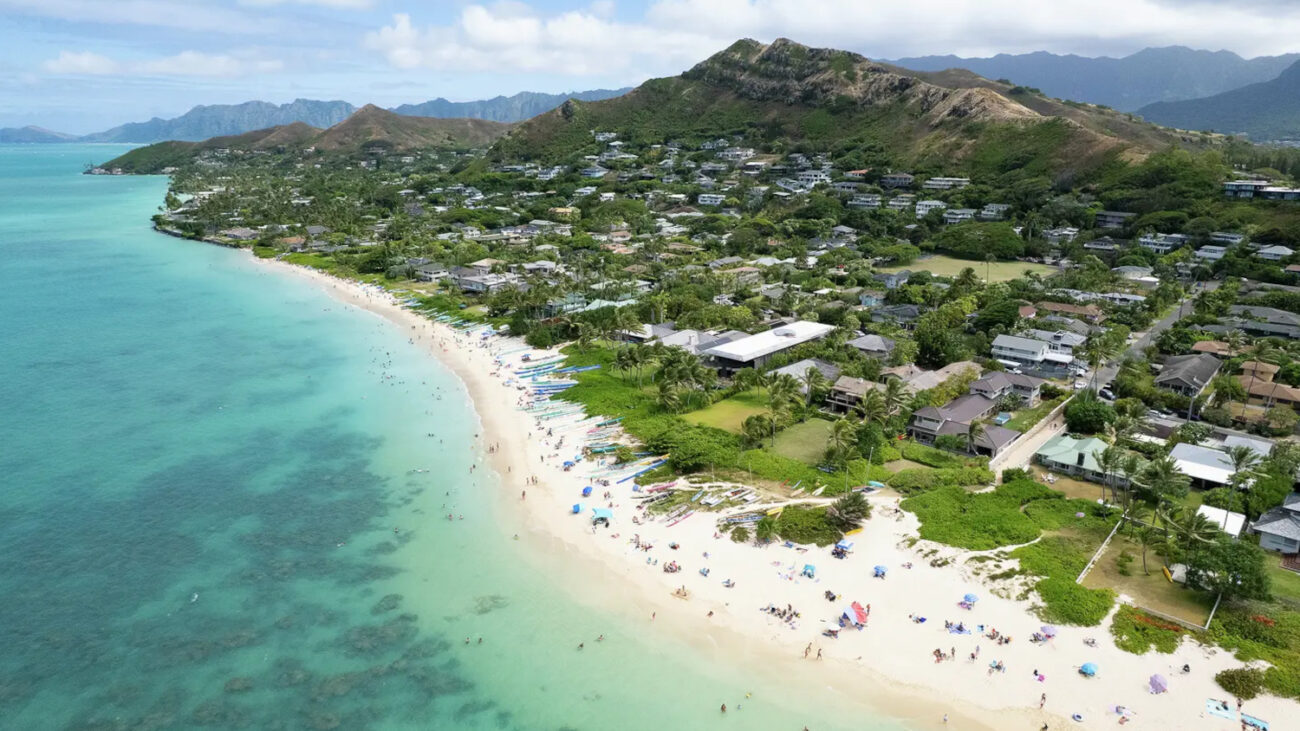
The photos are everywhere: white sand, improbably turquoise water, the twin Mokulua Islands sitting offshore like punctuation marks. What those images skip is the part where visitors circle a narrow residential loop searching for parking that doesn’t exist, pass handmade signs of uncertain authority, and eventually leave the car somewhere inadvisable. Lanikai has no dedicated public parking facility — and Honolulu is now building a formal system around that absence. The rules are changing fast enough that old travel advice is already unreliable.
Parking Bans, One-Way Streets, and a Phased Plan
Honolulu’s transportation overhaul targets Lanikai’s most congested streets in two carefully sequenced phases.
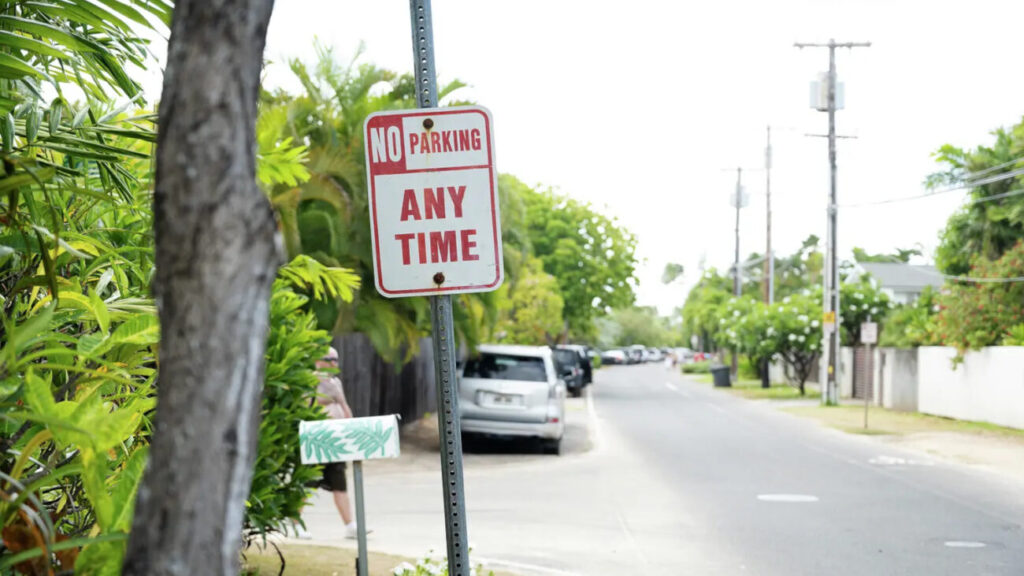
Phase one of the city’s Lanikai Transportation Management Plan calls for permanent “No Parking Any Time” restrictions along Mokulua Drive. Phase two extends similar controls to Aʻalapapa Drive. Side-street parking that remains would be prohibited between 10 a.m. and 4 p.m. — covering exactly the hours most visitors actually want to be there. One-way traffic on side streets and designated loading zones near beach-access paths are also proposed. One important clarification: homemade signs placed by homeowners are not substitutes for official city parking controls. For public-street enforcement, only city-posted signage counts, according to Honolulu’s Transportation Management Plan.
Before visiting, consider these practical realities:
- Route 671 currently connects Kailua to Lanikai; the city has discussed adding service frequency, though no confirmed schedule has been announced.
- Cycling or walking from Kailua is an option worth considering. Bike racks and improved facilities are proposed but not all confirmed.
- The Kaiwa Ridge Trail — the Pillbox hike — has no trailhead parking or restrooms. DLNR is weighing a possible reservation system with daily caps for non-Hawaiʻi residents, though no requirement is currently in force.
- Restricting Lanikai parking could shift demand toward Kailua Beach Park — a spillover risk the city’s plan acknowledges as unresolved.
The Access Question Goes Deeper Than Parking
Removing parking without reliable transit alternatives raises real questions about who can meaningfully reach a legally public beach.
If parking disappears without dependable transit alternatives, the beach remains legally public while becoming practically easier to reach only for those staying nearby or able to walk long distances. Beach-access advocates have long argued that meaningful access means practical ability to arrive — not merely a legal right to stand on the sand. The Kaiwa Ridge Trail compounds the pressure. It draws large daily crowds to a trailhead with no visitor infrastructure, according to Honolulu’s Transportation Management Plan, and that congestion contributes to strain on the surrounding neighborhood.
Plan Around the Rules, Not Despite Them
Visiting Lanikai now requires checking current city guidance — not just pulling up directions and hoping for the best.
Don’t assume an early start beats the restrictions; the mid-day parking ban covers the full peak window. Verify current signage through Honolulu’s Department of Transportation Services before the trip, since implementation remains phased and final operating rules may still change. If the Pillbox hike is the goal, watch for any DLNR reservation announcement before finalizing travel plans.
Lanikai is still worth the effort. The water is real. The ridge views are real. But the era of winging it on street parking is ending. Visitors who plan around the emerging system — bus, bike, or permitted drop-off — will have a considerably better time than those who don’t.