

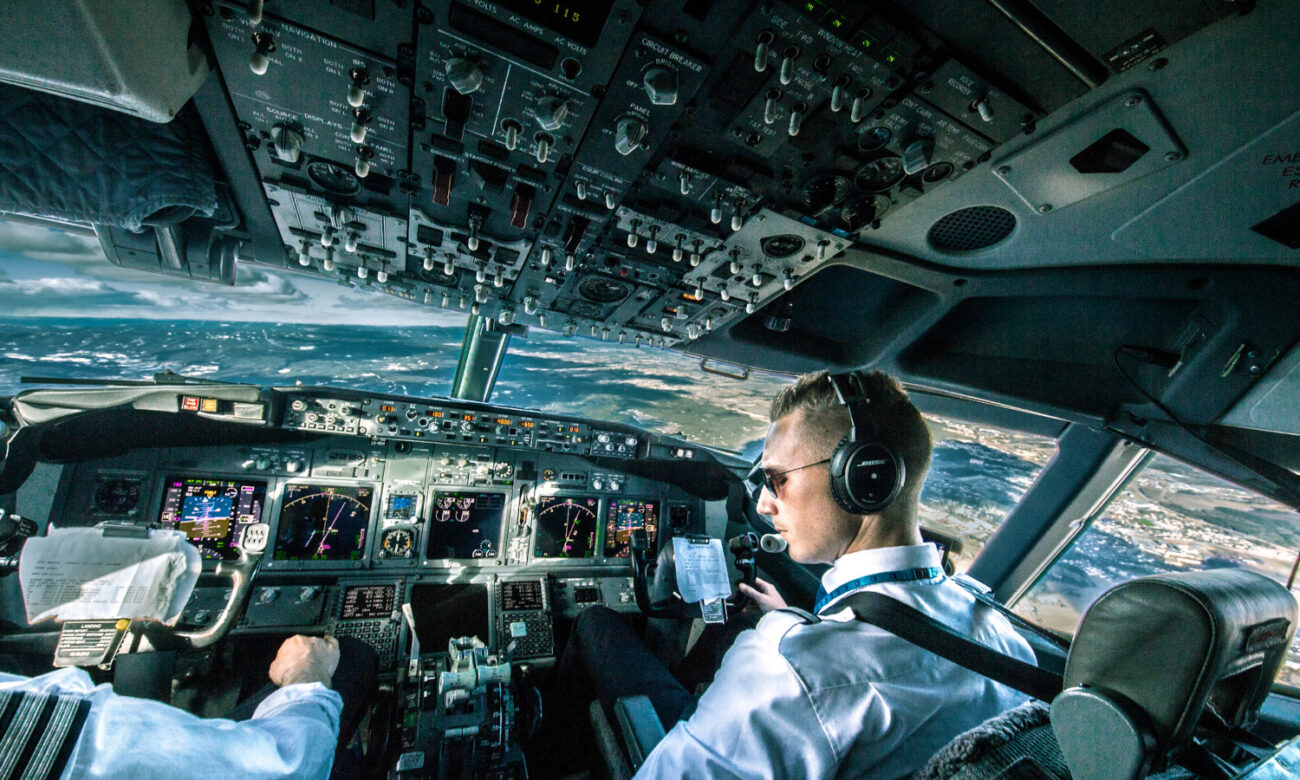
76.8% of roughly 7,200 pilots surveyed across 32 countries reported at least one episode of microsleep, head-nodding, or struggling to keep their eyes open in the cockpit — within the previous four weeks alone. That’s the headline finding from the European Cockpit Association’s 2026 fatigue report, prepared by aviation consultancy Baines Simmons. The survey grouped several symptoms together, so it does not establish that three in four pilots fully lost consciousness at the controls. What the numbers do reveal is harder to dismiss: widespread self-reported fatigue among participating pilots, and safety reporting systems that too many crews are afraid to use.
When Rest Is Optional and Schedules Are Negotiable
Inadequate recovery time and flexible scheduling rules are compounding fatigue across the industry.
Nearly 39% of respondents said they usually or always lacked enough rest to stop fatigue from accumulating between duty periods — a chronic sleep deficit that builds shift by shift. The consequences are not purely statistical. In 2022, both pilots on an Ethiopian Airlines Boeing 737 reportedly fell asleep mid-flight and missed their scheduled landing. According to available accounts, the aircraft remained on autopilot, passed its intended descent point, and later landed safely after the crew responded to an alert. Ethiopian Airlines confirmed the crew was removed from operations pending investigation but did not publicly confirm that both pilots had been asleep.
Key numbers from the survey tell a consistent story:
- 38.3% used Commander’s Discretion at least once in four weeks — a provision allowing the pilot-in-command to extend a Flight Duty Period in exceptional circumstances. 15.2% used it twice or more.
- 69.1% expressed concern about negative consequences if they refused a duty extension.
- Only 37.2% said they report feeling unfit or fatigued when they do experience it.
- 24.2% felt unfit, said nothing, and flew anyway.
“Airlines should identify and manage fatigue through accurate reporting and a safety culture in which crew members can raise concerns without fear,” the European Union Aviation Safety Agency said, according to reporting by People and AvWeb.
The Fear That Keeps Cockpits Quiet
When pilots distrust the reporting system, fatigue goes undisclosed — and unaddressed.
Microsleep refers to brief, involuntary lapses in which a person may appear awake but experiences severely impaired information processing, sometimes for only a few seconds. At altitude and speed, even momentary inattention carries real risk. Because the ECA survey was voluntary and self-selected, its response bias cannot be precisely determined — the results may reflect either an undercount or an overrepresentation of fatigued pilots, and should be read as a self-reported indicator rather than a measured prevalence rate.
What the survey does capture clearly is a culture of silence. When nearly 70% of respondents expressed concern about negative consequences for refusing extra hours, and fewer than four in ten said they formally report fatigue, the gap between a safety system existing on paper and crews actually using it becomes difficult to ignore.
EASA says it is taking the findings seriously and is in discussion with ECA, national authorities, and industry representatives. Whether those conversations produce structural change in scheduling practices, reporting protections, and fatigue-risk management — or remain at the level of acknowledgment — is the question the industry now faces.