

Picture the check-in line: someone hoisting a bag onto the scale, watching the agent type, then quietly handing over real money for the privilege of hauling clothes they’ll never wear. American Airlines charges between $45 and $55 for a first checked bag, depending on fare class and whether payment happens online or at the counter — with Basic Economy fares typically landing at the higher end of that range. On a three-day trip, that’s a meaningful charge for outfits packed against scenarios that rarely materialize.
November compounds the problem. Cold mornings and mild afternoons across many destinations convince travelers they need a contingency outfit for every possible shift in the weather. For most itineraries, they don’t.
Cut These Five. Keep the Rest.
The bulkiest items in most November bags are also the least necessary ones.
The heaviest offenders tend to follow a predictable pattern:
- The second pair of shoes. One versatile pair handles walking, transit, and casual dinners. Shoes are among the bulkiest, least compressible items in any bag — choosing one well-rounded pair before planning the rest of the wardrobe is the more practical move.
- The backup jacket. One compact outer layer — a shell, a vest, or a lightweight insulated piece — handles a wide range of November conditions, though genuinely cold or wet destinations may call for more specialized gear.
- The heavy sweater. A thin merino layer rewears reliably, since wool tends to resist odor, and it packs considerably smaller than a thick knit. Travelers with wool sensitivities may need alternatives.
- Formal wear. Dark trousers, a button-down, and an unstructured blazer cover most restaurants, hotel bars, and casual meetings. A full suit is worth packing only when the itinerary genuinely requires it.
- The just-in-case toiletry kit. Check what the accommodation provides before packing full-size duplicates. A compact umbrella or necessary medication may still earn its place — but most of the kit usually doesn’t.
The Uniform Strategy Actually Works
A small, interchangeable wardrobe eliminates daily outfit decisions without limiting flexibility.
Building around one neutral palette — a blazer, two or three interchangeable tops, one pair of trousers — means combinations multiply while the bag stays light. Garments that work together in multiple configurations are far more efficient than a separate outfit for every day. On longer trips, a nearby laundromat handles the rest, and can occasionally offer a more candid glimpse of a neighborhood than most planned itineraries.
Before settling on a bag size, it’s worth checking current airline rules:
| Airline | Carry-on Allowance | Personal Item Limit |
|---|---|---|
| Delta | Up to 22 × 14 × 9 inches (standard fares) | 1 personal item included |
| United | Personal item only on Basic Economy (many routes) | Capped at 9 × 10 × 17 inches |
Policies vary by fare class and route, so verifying before departure prevents an unwelcome surprise at the gate.
Pack for the Trip You’re Taking
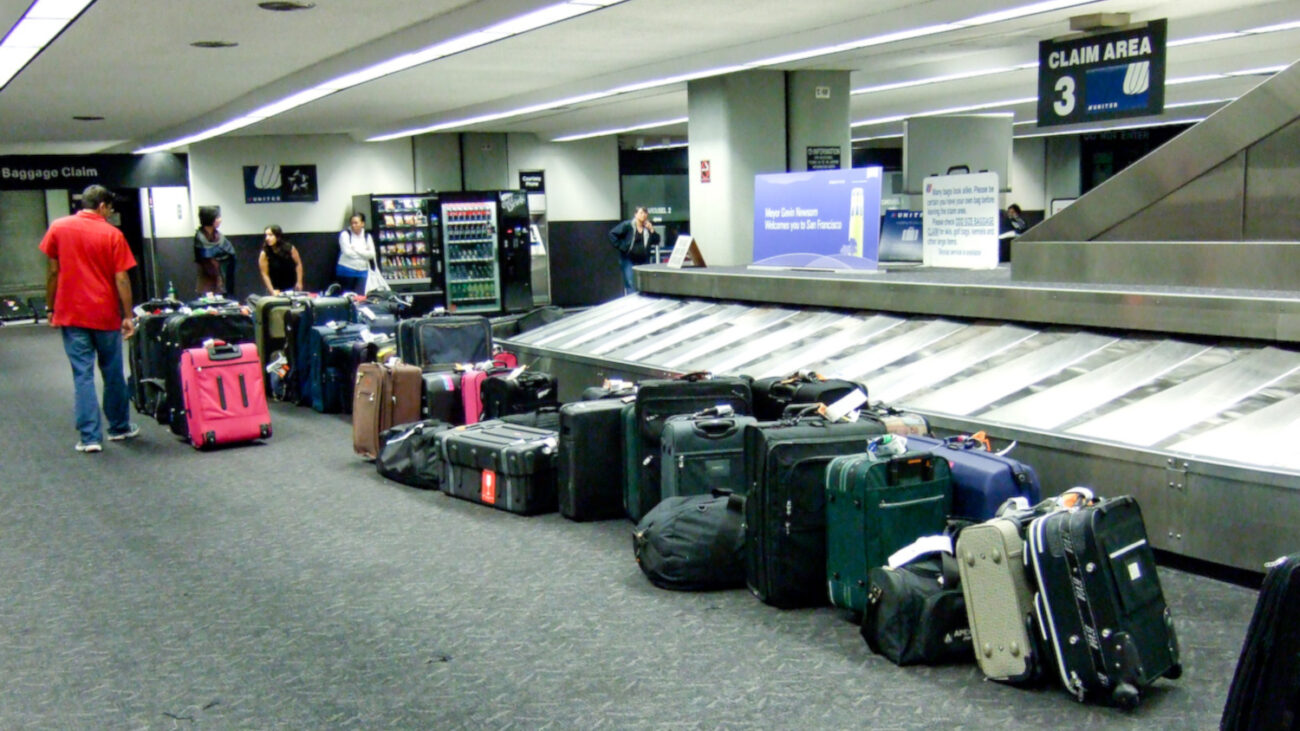
The bag that fits under the seat is the one that costs nothing extra, skips baggage claim entirely, and stays with the traveler from gate to destination.
A personal item that meets airline size requirements avoids checked-bag fees, moves efficiently through airport security, and goes straight from the cabin to the exit — no carousel, no wait. The most efficient November packing list is not one of everything; it’s one versatile pair of shoes, one adaptable outer layer, interchangeable clothing built around a single neutral palette, and only the toiletries the destination actually requires. Pack for the trip being taken, not the one where everything goes sideways.